· Car Removals Whangarei
Scrap for Cash NZ: How Vehicle Valuation Actually Works
Scrap-for-cash payouts in Northland range from about $200 for a stripped non-runner to $15,000 or more for high-demand salvage vehicles, with the final quote depending on kerb weight, recoverable parts demand and current steel prices. The number on the quote matters, but the process behind it matters more, especially when a rusted ute, write-off or abandoned vehicle is sitting on a rural property.
You may have a failed-WOF car behind a shed, a flood-damaged van at a workshop, or an old farm vehicle that hasn't moved in years. The sensible question isn't only, “What will I get for it?” It's also, “Who will remove it safely, complete the right NZTA steps and take responsibility for the hazardous parts after it leaves?”
New Zealand's active vehicle fleet grew from 4,512,519 vehicles at 31 December 2014 to 5,820,732 at 31 December 2024, an increase of 1,308,213 vehicles, or approximately 29.0%, according to NZ Transport Agency fleet records. The figure reached 5,848,639 by 31 August 2025, although that covers only part of the year. More vehicles eventually need repair, resale, dismantling or responsible disposal, including the cars that never return to the road.
Table of Contents
- What Happens When You Call a Scrap for Cash Service
- How Vehicle Valuation Works in Practice
- Preparing Your Vehicle for Pickup and Payment
- Why Licensed Dismantling Matters More Than Price
- Real-World Examples of Different Vehicle Types
- The Complete Scrap for Cash Checklist
- Licensed Versus Unlicensed Operations Compared
What Happens When You Call a Scrap for Cash Service
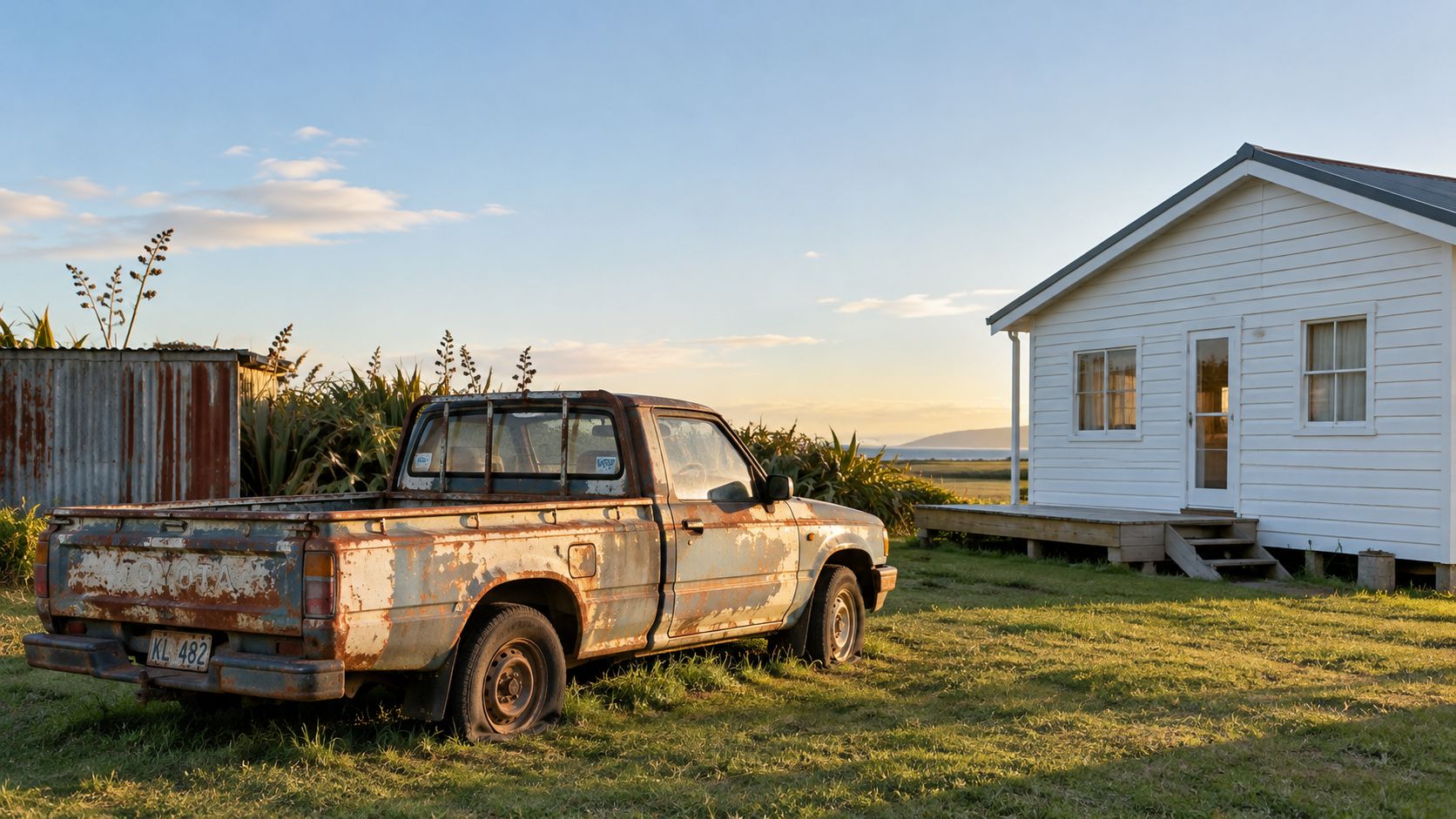
A rusted Hilux sits behind a small farm property outside Whangarei. It hasn't run for two years, the WOF failed, grass has grown around the tyres and one door only opens from the inside. The owner wants the space back and hopes the ute is worth more than the cost of moving it.
The first call shouldn't begin with a firm number. A careful dismantler asks questions that reveal the recovery job:
- Vehicle details: What model, year and engine does it have?
- Movement: Does it roll, steer and brake, or is it sitting on seized wheels?
- Completeness: Are the battery, catalytic converter, wheels, engine and panels still present?
- Damage: Has it been flooded, burnt, crashed or stripped?
- Access: Can a tow truck reach the vehicle, and is the ground firm enough for loading?
- Paperwork: Is it registered, deregistered, or already recorded as permanently useless?
A seized engine can lower the offer even when the body weighs the same as a running vehicle. Missing wheels may require extra loading equipment. A leaking fuel tank changes the safety assessment. A complete diesel 4WD may have useful parts demand, while a badly rusted shell may be valued mainly for its recoverable metal.
Why the location affects the quote
Northland properties often have narrow driveways, soft paddocks, slopes or vehicles tucked behind buildings. The dismantler needs to know whether the truck can reach the car directly or whether winching, skates or different loading equipment will be required. That information prevents an attractive phone offer becoming a surprise deduction at pickup.
The same applies to non-running cars in Whangarei, Kaitaia or rural settlements. A firm quote depends on an honest description and clear photographs where necessary. You can see the practical difference between a straightforward removal and a complicated recovery in this guide to scrap car removal for cash.
Once the condition, access and paperwork are clear, the operator can give a firm quote and agree on a collection time. Payment arrangements should also be clear before the truck arrives. A properly organised service tells you whether payment is by cash or instant bank transfer, confirms towing costs and explains which NZTA notification will be completed at pickup.
How Vehicle Valuation Works in Practice
A scrap quote normally rests on three connected questions. How much recoverable material is present? Which parts can be sold or reused? What will the current metal market support? A vehicle can score strongly on one measure and poorly on the others.
Kerb weight creates the base
Steel gives a stripped vehicle its basic scrap value. A heavier shell generally contains more ferrous metal, so a large van or 4WD can have a stronger metal base than a small hatchback. That doesn't mean the vehicle's original purchase price, engine size or badge automatically determines the offer.
Dismantlers also separate steel from aluminium, copper and other recoverable materials. A complete vehicle may be worth more than its bare shell because the labour of removing useful parts is part of the assessment. A missing catalytic converter, stripped panels or absent wheels reduces what can be recovered.
Parts demand changes the result
A popular diesel engine, gearbox, alternator, transfer case, doors or undamaged body panels may have a practical resale route. Parts demand varies by model and condition. A dismantler checks whether parts are complete, identifiable and likely to be useful, rather than treating every component as saleable.
Consider two vehicles with similar metal weight. A rusted Navara shell with missing panels may sit close to the low end of a scrap assessment. A flood-damaged Hiace with a sound body, intact doors and usable mechanical components could attract a different offer, even though its steel contribution is similar. Flood damage still demands caution because wiring, control modules and fluids may be compromised.
Steel prices complete the calculation
The final pillar is current steel pricing. Scrap buyers sell recovered metal into a changing market, so the value of a stripped shell can move even when the vehicle itself hasn't changed. Local freight, processing and handling also affect the amount a dismantler can pay.
Practical rule: A quote based only on the vehicle's badge is incomplete. Ask whether the figure includes parts, metal, towing and any loading difficulty.
For a clearer explanation of how these inputs interact, see this guide to scrap metal prices in New Zealand. The useful lesson is simple: weight establishes a foundation, parts create upside and market conditions determine what can be paid today.
Preparing Your Vehicle for Pickup and Payment
Good preparation protects both the seller and the dismantler. It doesn't mean stripping the vehicle yourself. In fact, removing batteries, draining fuel or pulling airbags without the right equipment can create a hazard and reduce the value of the vehicle.
Start with the identity and paperwork. Find the registration papers, ownership information and vehicle identification number if they're available. Tell the operator whether the car is registered, deregistered, failed its WOF, written off or never registered. Those details affect the handover process.
Complete these checks before collection
- Remove personal property. Search the cabin, boot, glovebox, tool compartments and under-seat storage. Check for farm records, house keys, firearms, documents and toll-related items.
- Record the vehicle identity. Photograph the number plate, VIN and vehicle from several angles. Keep copies of any disposal agreement and the final payment record.
- Describe hazards accurately. Mention fuel leaks, damaged batteries, flood exposure, fire damage, unstable ground and whether the vehicle can roll.
- Leave hazardous removal to the operator. Don't drain oil or coolant onto the ground, puncture a battery or dismantle a hybrid traction system unless a qualified operator has told you exactly what to do.
- Clear the loading route. Move trailers, machinery, gates and loose materials that could obstruct the tow truck.
NZTA says anyone who sells, gives away or otherwise disposes of a vehicle must notify the agency straight away. The transaction changes the registered person on the Motor Vehicle Register, which is an administrative status and isn't the same as legal ownership. Both parties must complete their respective notifications, so retain evidence that your disposal notification was made. The details are set out in NZTA's vehicle ownership guidance.
If the vehicle has been sold to a wrecker, the former registered person must notify NZTA, after which the wrecker is responsible for cancelling the registration. Alternatively, registration can be cancelled before sale through a registration agent, using the required process and handing in the plates. A vehicle that is no longer roadworthy must be deregistered, as explained in NZTA's motor vehicle FAQ.
Before loading, confirm the quote, payment method and notification. Payment should be issued before the vehicle leaves, with the seller receiving cash or an instant bank transfer rather than a vague promise to pay later.
Why Licensed Dismantling Matters More Than Price
The highest offer isn't automatically the best deal. A buyer who pays more may be avoiding costs that a compliant dismantler must absorb, such as fluid recovery, battery storage, refrigerant handling, airbag isolation and approved tyre disposal.
The Ministry for the Environment reported that approximately 25,000 cars were dumped illegally across New Zealand each year, creating an estimated $6 million annual cost to authorities. The same government assessment identified used oil, refrigerants, batteries and circuit boards as hazardous materials in end-of-life vehicles. These materials don't become harmless because a car has been sold for cash. They need controlled removal and appropriate treatment.
What responsible depollution involves
A compliant dismantler treats the vehicle as a collection of risks and recoverable materials:
- Fluids: Engine oil, coolant, fuel, brake fluid and transmission fluid are drained into trays and transferred to storage containers.
- Batteries: Batteries are kept under cover and in spill trays so acid or lead corrosion can't reach soil or stormwater.
- Refrigerants: Air-conditioning refrigerants are handled through the appropriate recovery process rather than released.
- Safety systems: Airbags and other potentially hazardous components are isolated before crushing or dismantling.
- Tyres: Tyres are assessed separately from steel and directed through an approved pathway.
New Zealand's end-of-life tyre stream is substantial. Approximately 6.5 million tyres reach end of life annually, while only about 40% are estimated to be recycled or exported, according to Ministry for the Environment product stewardship information. Tyrewise regulations took effect on 1 March 2024, and the national scheme provides registered collection and processing pathways.
Under the scheme, members of the public have been able to take end-of-life tyres to registered collection sites, including mechanics, tyre retailers and community collection locations, for management at no cost from September 2024, as described in the Ministry's Tyrewise guidance. Stockpiled tyres create fire and contamination risks, so the responsible route matters.
A slightly lower payout from a licensed operator who documents the handover can be worth more than a higher figure from someone who leaves fluids, tyres or paperwork unresolved. The seller gets a cleaner transaction, and Northland avoids another abandoned-vehicle problem.
Real-World Examples of Different Vehicle Types
The vehicle's story changes the assessment. A flood-damaged sedan, a blown-motor 4WD and a hybrid may occupy the same yard, but they don't present the same recovery job.
The flooded sedan
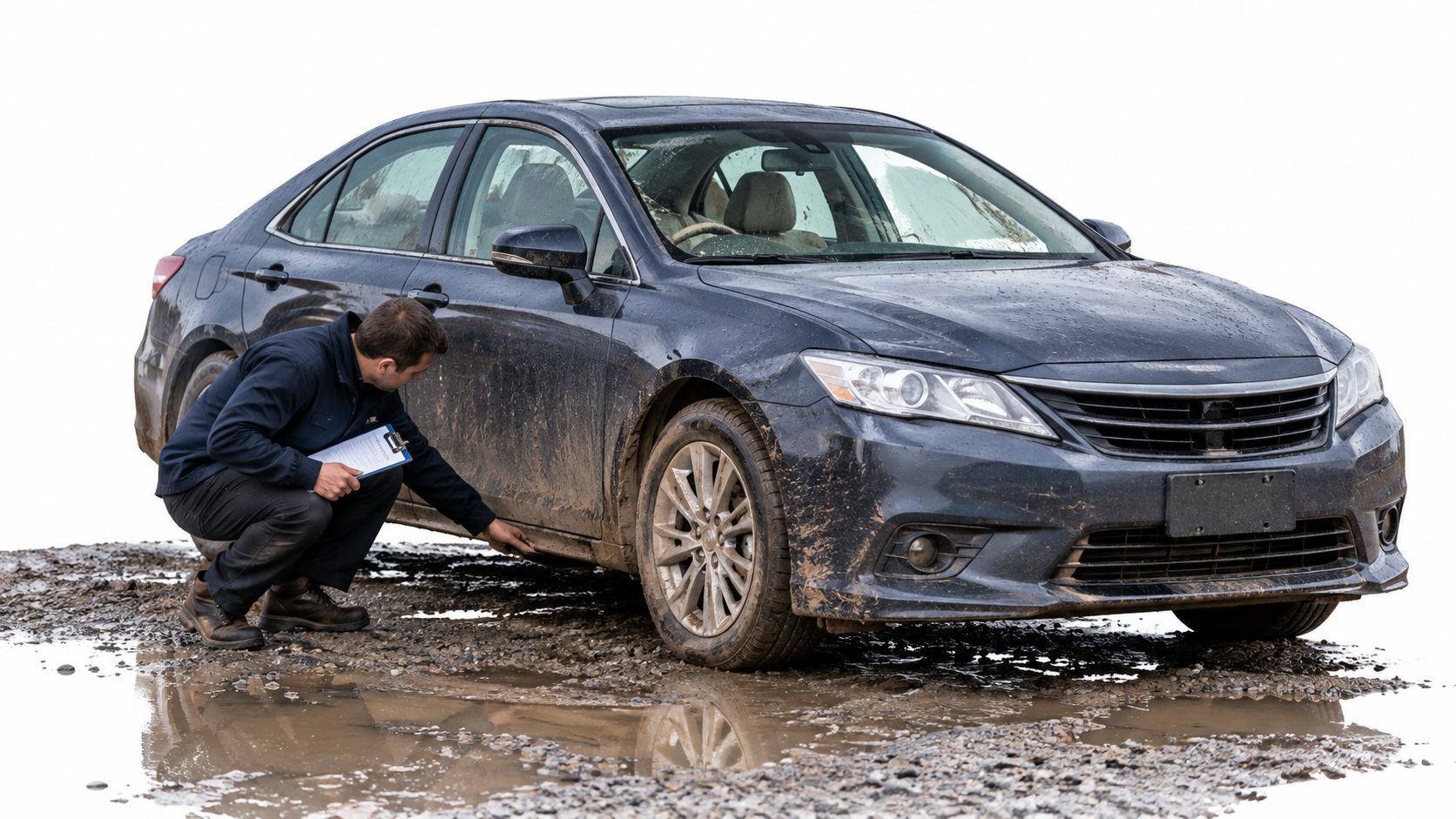
A sedan recovered after flooding may look like an ordinary non-runner, but water can affect wiring, control modules, fluids, seats and safety systems. The interior may have little resale value, while the shell, wheels and selected mechanical parts still contribute to the offer.
The inspector checks for standing water, corrosion, contamination and safe loading. If the vehicle is a hybrid or EV, the high-voltage system must be assessed before anyone moves, crushes or dismantles it. The quote reflects usable parts only after those hazards are understood.
The 4WD with a failed engine
A rural 4WD with a blown motor can still have a sound chassis, straight doors, intact glass, a useful gearbox and sought-after suspension or drivetrain components. If the diesel block is cracked, the engine may contribute little, but the vehicle isn't valued as an empty shell.
The assessor looks at completeness and demand. A popular model with good panels and recoverable components can sit well above the metal-only figure, even when it can't be driven onto the tow truck.
The hybrid with an intact battery
A hybrid with an intact traction battery demands a different conversation. Battery materials can have recovery value, but New Zealand has limited domestic processing capacity for end-of-life lithium-ion batteries and relies substantially on exporting batteries to certified facilities overseas. The 2025 Australasian Transport Research Forum report also discusses renewed concern after an Auckland recycling-facility fire and cites AMI data showing a 17% year-on-year increase in lithium-ion-battery-related fire claims, with more than half involving devices that weren't actively in use.
A sound, complete pack may support the quote. A damaged, flooded or incomplete pack can reduce the net value because isolation, packaging, transport and specialist handling add cost. Owners shouldn't open a traction battery or store a damaged unit indoors. The operator must identify whether it contains a high-voltage system and establish a safe handover route before loading.
The Complete Scrap for Cash Checklist
A smooth pickup begins before the truck arrives. Use this checklist when you call, and keep a copy of the agreed details.
Vehicle and access
- Confirm the VIN: Match the vehicle identification number to the available documents.
- Describe the condition: State whether it runs, rolls, steers and brakes.
- Report damage: Mention flood, fire, crash, leaks, missing wheels and battery condition.
- Explain the location: Give clear access details, surface conditions and any loading restrictions.
- Count the tyres: Record their size, condition and whether any might be reusable.
Paperwork and payment
- Check the status: Confirm whether the vehicle is registered, deregistered, lapsed or permanently useless.
- Gather evidence: Keep registration documents, photographs, the quote and payment confirmation.
- Ask about NZTA: Confirm who will submit each notification and when you'll receive proof.
- Confirm the payout: Ask whether towing, loading and payment timing are included.
- Protect personal information: Remove documents, keys, tools and belongings before collection.
Environmental questions
Ask the operator direct questions rather than relying on a logo or a verbal promise:
- Where are engine fluids and refrigerants recovered?
- How are batteries stored before processing?
- What happens to the tyres?
- How are airbags and high-voltage systems isolated?
- What proof of disposal or handover will the seller receive?
Tyres deserve separate attention because their condition can affect the quote and their disposal route. Reusable tyres may add practical value, while damaged or mismatched tyres create a handling obligation. Batteries also need separate treatment, particularly in hybrids and EVs.
The highest-value service isn't always the highest offer. Clear paperwork, controlled loading and responsible disposal can protect you from future disputes while keeping hazardous material out of a farm drain, paddock or roadside stockpile.
Licensed Versus Unlicensed Operations Compared
Two buyers may offer similar money, but the work after pickup can be completely different. One may record the vehicle, depollute it and send materials through managed channels. The other may tip it onto a yard, drain fluids outside and crush it before removing dangerous components.
| Area | Licensed dismantler | Unlicensed tip-and-crush operation |
|---|---|---|
| Fluid handling | Recovers oil, coolant, fuel, brake fluid and transmission fluid using trays and storage containers. | May leave leaks or drain fluids onto hardstand, soil or stormwater. |
| Tyre stewardship | Separates reusable tyres and routes end-of-life tyres through registered collection or processing channels. | May stockpile tyres or mix them with general scrap. |
| Battery safety | Stores conventional batteries under cover and assesses high-voltage systems before dismantling. | May crush or mishandle batteries without confirming their type or condition. |
| Airbags and safety equipment | Isolates hazardous components before processing. | May crush the vehicle while safety systems remain in place. |
| NZTA records | Explains the change-of-registered-person notification and registration cancellation process. | May leave the seller without evidence that disposal was recorded. |
| Customer outcome | Provides a documented handover, agreed payment and a controlled recovery route. | Can create uncertainty about liability, waste handling and later vehicle-status disputes. |
The vehicle disposal guidance for New Zealand is useful because disposal isn't a matter of leaving an unwanted car beside the road. The registered person still has an administrative duty to notify NZTA, and deregistration is a separate matter when the vehicle is permanently removed from the road.
If an operator can't explain how fluids are drained or confirm the NZTA notification before pickup, the better offer may be a liability waiting to surface.
Ask for the process in plain language. Who loads the vehicle? Who handles the battery? Where do the tyres go? What document proves the handover? A professional operator should answer without hesitation.
Car Removals Whangarei buys cars, vans, 4WDs, trucks and machinery in any condition, with firm phone quotes based on recoverable parts and steel pricing, payment before loading and NZTA ownership notifications completed at pickup. Visit Car Removals Whangarei to arrange a Northland pickup, discuss a non-runner or write-off, and confirm whether free towing is available for your location.
- scrap for cash
- vehicle removal
- car recycling
- licensed dismantler
- sell my car