· Car Removals Whangarei
Plates for Cars in NZ: A Guide for Whangarei Owners

You're ready to sell your old car from a Whangarei driveway, but when you look at the rear of it, the number plate is cracked, half-rusted or missing altogether. The buyer is waiting, the tow truck is booked, and suddenly a small piece of aluminium has become the part of the transaction you can't ignore.
That's a common end-of-vehicle mistake. Plates for cars are tied to the vehicle's registration identity, so selling, trading, dismantling or removing a vehicle isn't finished just because the keys have changed hands. The safest approach is to deal with the plates, ownership record and any damage or theft before the vehicle leaves your property.
Table of Contents
- Why Plates Matter Before You Sell Your Car
- The Evolution of NZ Number Plates
- Standard Plates and the Personalised Market
- What Happens to Plates When You Transfer Ownership
- Replacing Damaged, Lost or Stolen Plates
- Final Steps for Whangarei Vehicle Owners
Why Plates Matter Before You Sell Your Car
A Whangarei owner might spend weeks deciding whether to sell an ageing car privately or send it for scrap, then discover the plate issue on collection day. The front plate may still be attached, while the rear plate has fallen off on a rough Northland road. Perhaps salt air has made the fixings brittle, or a damaged plate is no longer easy to read.
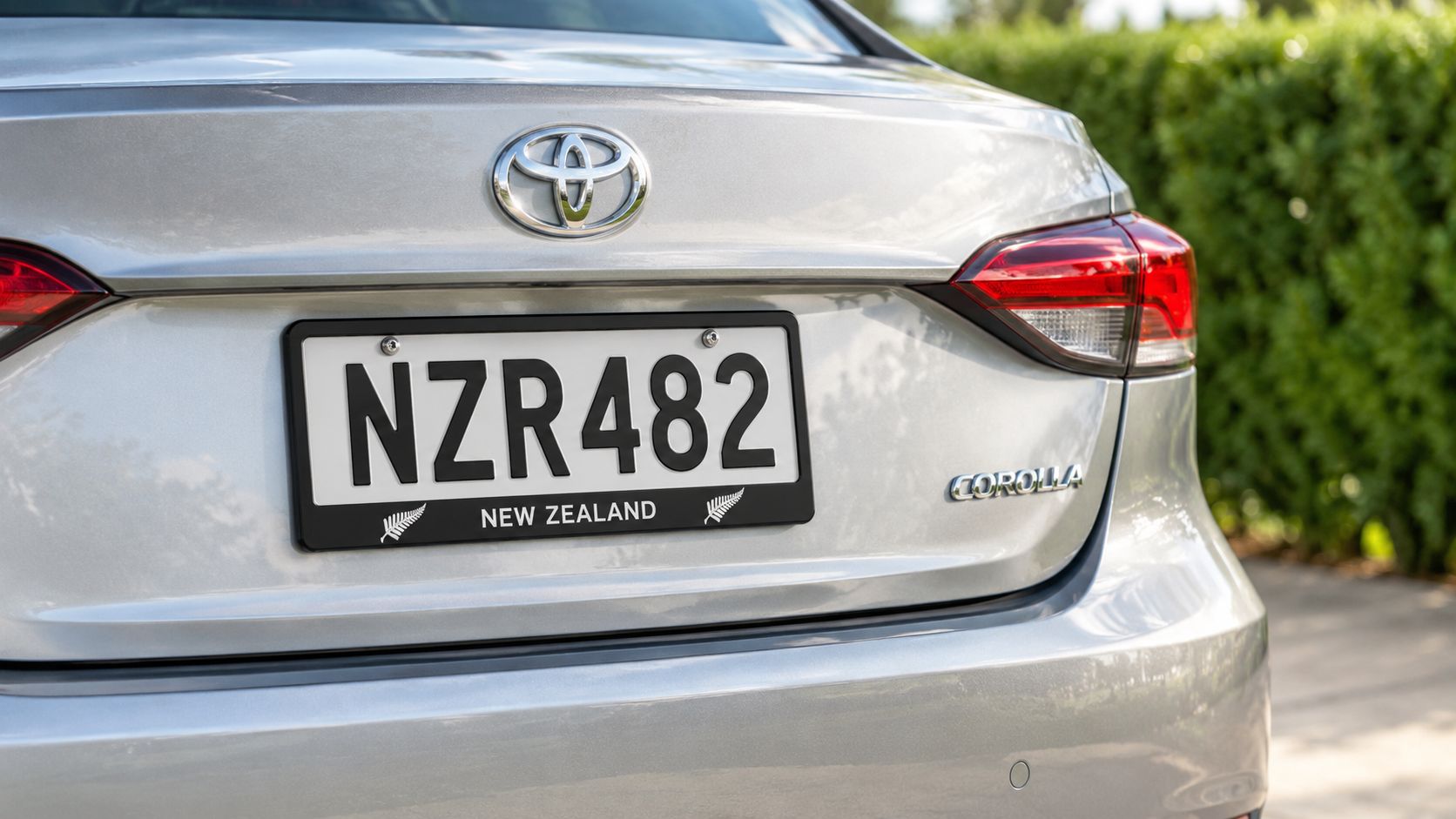
That matters because the plate is the visible identifier connected with the vehicle's registration record. It isn't just a decorative panel that can be left behind with the shell. Before the vehicle goes, check that the plates are present, legible and accounted for, then confirm that the ownership change is recorded through the proper channel.
The handover mistake that causes trouble
The usual problem isn't a driver deliberately ignoring the rules. It's a rushed handover. The seller assumes the removal operator or buyer will handle every detail, while the buyer assumes the seller has already completed the change of ownership. If the vehicle record hasn't been updated, the seller may face unwanted correspondence connected with the vehicle after it has left.
A private sale and a scrap removal also create different practical situations. A private buyer generally expects the vehicle to arrive with its existing plates unless a personalised plate arrangement has been made. A dismantler may collect a non-running shell with a plate still attached, but that doesn't remove the need to close out the registration record correctly.
Practical rule: Don't treat the moment the vehicle is loaded as the end of your responsibility. Treat it as the point when the paperwork must be confirmed.
Before arranging collection, inspect both ends of the vehicle, photograph the plates and note whether one is missing or damaged. If you're selling privately, use a clear written record of the handover and complete the ownership process promptly. The practical guidance in what to do after selling your car is useful for checking that the administrative side hasn't been forgotten.
A damaged plate shouldn't be covered with an improvised sticker, painted over or swapped with another vehicle's plate. Those shortcuts can make the identifier harder to read and create confusion when the vehicle is checked. If the vehicle is being scrapped, ask who will complete the ownership notification and keep confirmation for your records.
The Evolution of NZ Number Plates
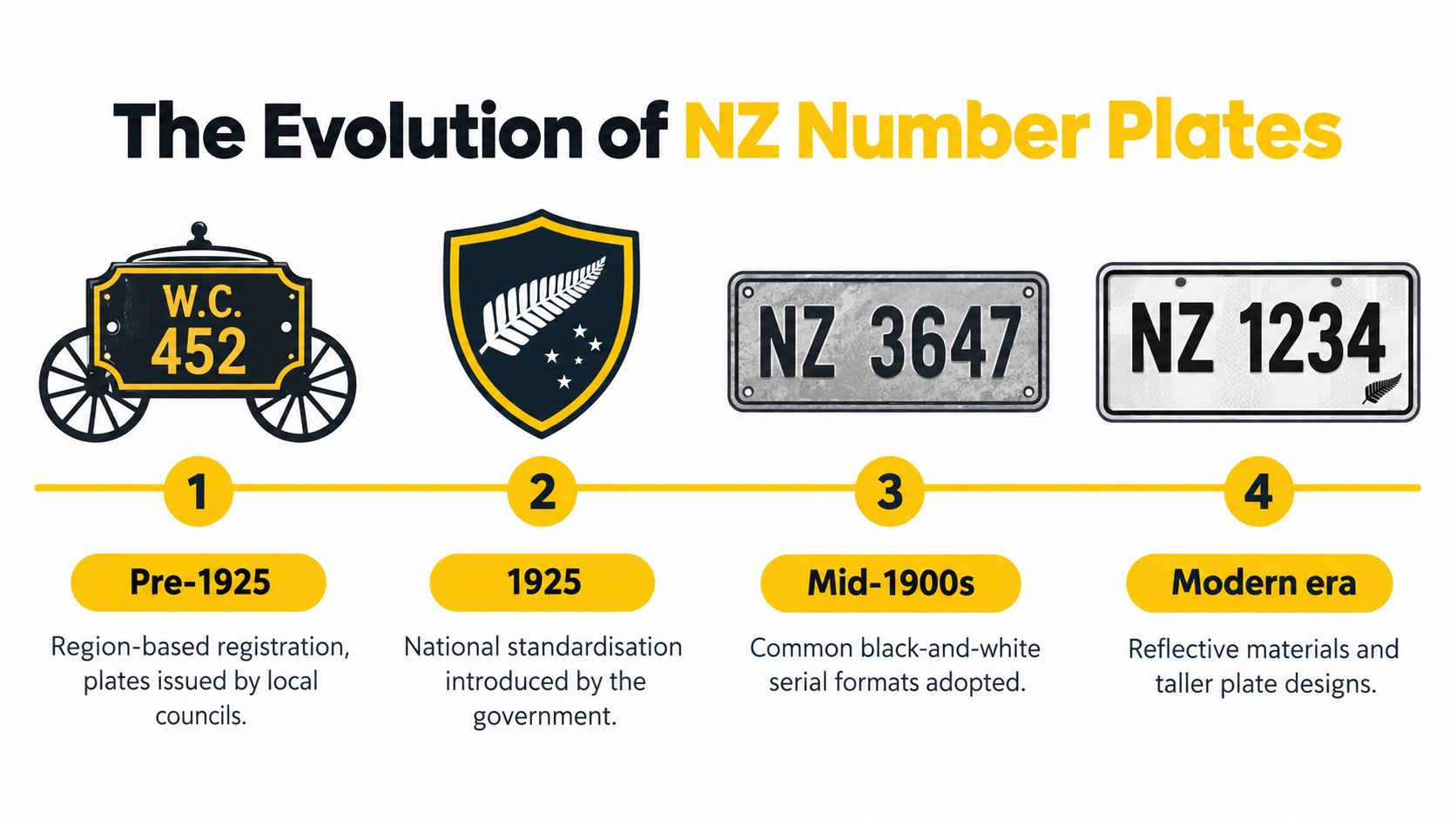
New Zealand's plates look straightforward today because the system has gradually been standardised around durability, visibility and a national registration structure. Before 1925, registration was organised regionally. In 1925, authorities moved to a national plate regime and began issuing steel plates annually to vehicle owners, as recorded in NZTA's history of number plates.
That annual model was altered by wartime material shortages. From 1941, plate validity was extended to five years, reducing the need to produce and replace steel plates as frequently. In 1964, permanent aluminium plates were introduced, beginning at AA100. The change was more than cosmetic. Aluminium offered a practical long-term material for a registration identifier exposed to weather, road grime and repeated handling.
Why the modern format is built for visibility
The next major design milestone came in 1986, when New Zealand moved to reflectorised white plates with black characters. That design supports recognition in ordinary daylight and under vehicle headlights, which is important for drivers, enforcement officers and automated reading systems.
The history also explains why a plate shouldn't be treated like a replaceable signboard. Its material, finish, character shape and reflectivity all support the job of identifying a registered vehicle. A plate that has faded, buckled or corroded may still be physically attached, but attachment alone doesn't make it a useful or reliable identifier.
The timeline shows a consistent trade-off:
- Steel plates suited an earlier annual issue system but depended more heavily on material supply and replacement cycles.
- Aluminium plates provided a more permanent base for vehicle identification.
- Reflective finishes improved visibility at night and in changing light.
- Embossed characters remain physically distinct and easier to inspect than a flat, improvised marking.
For a Whangarei owner, that history has a practical consequence. A plate exposed to coastal air, mud, gravel roads or repeated towing can deteriorate even though the vehicle itself remains identifiable. Check the plate before a sale or removal, rather than assuming its age and condition won't affect the handover.
Standard Plates and the Personalised Market
Most cars use ordinary registration plates, but personalised plates have made the market more varied. A standard New Zealand car plate is an aluminium plate with black embossed characters on a white retro-reflective background. It also includes a silver fern security feature, visible when the plate is tilted about 15 to 30 degrees, as described by NZTA's number plate guidance.
That feature gives owners a simple authenticity check. It doesn't replace proper registration records, but it helps distinguish an NZ-issued plate from an unauthorised copy. The reflective background also serves a practical purpose, helping the plate remain readable to people and machines in low-angle lighting.
Personalised plates work differently from standard serial plates because the owner may want to retain the combination when changing vehicles. NZTA records that personalised plates were introduced in 1988. By 2025, 334,789 registered vehicles carried them, just under 7% of approximately 4.9 million vehicles, or about one in 14 vehicles, according to the AA's history of NZ number plates.
Choosing the right approach
| Feature | Standard Plate | Personalised Plate |
|---|---|---|
| Main purpose | Provides the vehicle's ordinary registration identifier | Provides a chosen registration combination |
| Appearance | Black embossed characters on a white reflective aluminium plate | A permitted personalised combination on an NZ-issued plate |
| Security | Includes the silver fern security feature | Still needs to be genuine, readable and properly assigned |
| When selling | Usually stays with the vehicle unless the relevant arrangement says otherwise | May need to be transferred or retained before the vehicle is sold |
| Main risk | Leaving a damaged or missing plate unresolved | Losing track of the plate while focusing on the vehicle sale |
The common mistake is to think a personalised plate automatically follows its owner. It doesn't happen by assumption. If you want to keep the combination, arrange the transfer before the vehicle is handed over and make sure the paperwork matches the vehicles involved.
For a closer look at identification, plate condition and the practical questions owners ask, see this guide to car number plates in New Zealand. Don't obscure characters with covers, accessories or dirt, and don't use a plate from another vehicle just because the original is inconvenient to replace.
What Happens to Plates When You Transfer Ownership
Selling and scrapping both involve a change in who controls the vehicle, but the plate decision can be different. A standard plate will generally be associated with the vehicle being handed over, while a personalised plate may be something the current owner wants to move to another vehicle.
The physical metal and the registration record should be treated as separate parts of the job. Having a plate in your hand doesn't prove that the right person is recorded against the vehicle, and updating the ownership record doesn't automatically settle what should happen to a personalised combination.
| Situation | What usually needs attention | Main point to confirm |
|---|---|---|
| Selling a used car | Complete the ownership change and agree what happens to the attached plates | The buyer and seller should have matching records of the handover |
| Scrapping a vehicle | Confirm the vehicle is being removed and that the ownership notification is completed | Keep evidence that the vehicle left your control |
| Retaining a personalised plate | Arrange the approved exchange or transfer before the old vehicle changes hands | Don't leave the desired plate attached to a vehicle you no longer control |
| Missing or damaged plate | Deal with the plate problem before collection or sale | Don't substitute an unrelated plate |
Personalised plate transfers
The MR17 process is specific. It requires both pages of the form to be taken to a plate agent, together with one plate from each vehicle. The agent then issues a new licence label, and NZTA posts a new certificate of registration to the registered person within 7 days of acceptance, according to the MR17 application form.
That process is worth starting before the buyer arrives or the scrap vehicle is loaded. If the old car is already gone, retrieving a plate or proving what was agreed becomes harder. Keep copies or photographs of the completed paperwork, and check that the replacement vehicle details are correct.
For ordinary ownership changes, use the approved process rather than relying on a verbal agreement. The practical steps in this guide to changing NZTA registration after a vehicle sale help separate the sale conversation from the formal record change.
Replacing Damaged, Lost or Stolen Plates
Northland conditions can be hard on plates. A plate can be knocked loose on a rough road, weakened by rust near the coast or stolen from a parked vehicle. The correct response depends on what happened, but delaying the response creates unnecessary uncertainty because the plate number remains the visible identifier associated with the vehicle.
Stolen plates deserve urgent attention. NZ Police explains that stolen-vehicle alerts are keyed to the plate number and may be detected by automated number plate recognition systems. For theft cases, NZ Police's stolen vehicle guidance also records that police confirmation is required before NZTA issues replacement plates.
Use a simple response workflow
- Inspect and record the problem. Photograph the remaining plate, mounting points and any damage. Note whether the plate was lost, damaged or taken.
- Report theft promptly. If the plate has been stolen, contact Police and keep the report details. Don't assume that ordering a replacement is enough without the required confirmation.
- Avoid driving with an improvised substitute. A piece of printed cardboard, a hand-painted panel or another vehicle's plate can create a worse identification problem.
- Replace the plate through the authorised process. The sooner the record and physical identifier are brought back into agreement, the less opportunity there is for confusion.
- Check personalised plate arrangements separately. If a stolen or damaged plate is personalised, protect the registration combination as well as the vehicle record.
The key timing question is simple: act as soon as you know the plate is missing or unusable. Police systems and ANPR may read the plate number rather than understand the circumstances behind its absence. If the number is linked to a stolen vehicle alert or appears on another vehicle, the legitimate owner may face unwanted attention, incorrect correspondence or a roadside explanation.
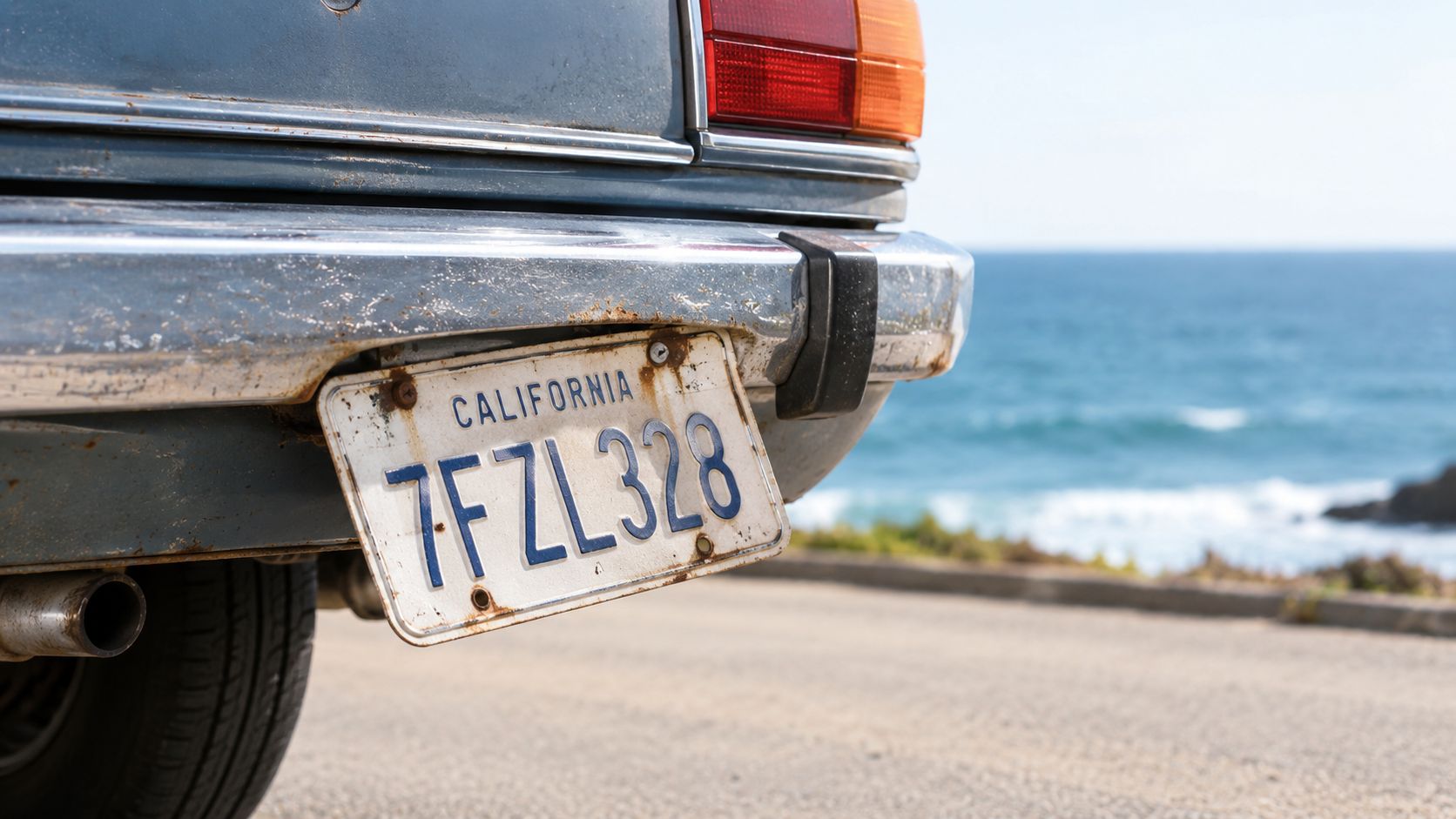
A plate that is merely dirty can be cleaned carefully, but cleaning won't fix deep corrosion, unreadable characters or a bent reflective surface. Likewise, tightening a loose fastener may solve movement, but it won't resolve a plate that has already disappeared from the registration context. The safest workflow joins the physical repair or replacement with the Police and NZTA steps that apply to the incident.
Final Steps for Whangarei Vehicle Owners
The last check is not complicated, but it should be deliberate. Whether a private buyer collects the car or a removal operator loads a non-running shell, confirm the vehicle record, the plates and the handover evidence before the vehicle leaves.
When a vehicle is registered in New Zealand, NZTA issues number plates as part of the registration process. The New Zealand Government's vehicle registration guidance describes registration as a one-off fee that adds the vehicle's details to the Motor Vehicle Register, usually when most vehicles first arrive in New Zealand and are first used on the road.
A practical handover checklist
- Check both plates: Confirm whether they're attached, readable, damaged or missing.
- Decide on personalised plates early: Start the approved transfer process before the vehicle is sold or removed.
- Complete the ownership notification: Don't rely on a buyer, friend or contractor to do it later.
- Record the handover: Keep the date, vehicle details, plate details and the receiving party's information.
- Ask for confirmation: If a removal service handles the notification at pickup, retain the completed evidence.
- Keep theft records: For stolen plates, save the Police reference and replacement documentation.
For a scrap vehicle, make sure the person collecting it understands whether the plates are staying with the vehicle or being dealt with separately. For a private sale, ensure the buyer knows what has been submitted and what remains their responsibility. Clear communication prevents the common situation where both parties believe the other one completed the final step.
Car Removals Whangarei purchases unwanted and damaged cars, vans, 4WDs, trucks and machinery, and can arrange free towing within roughly 100 km of Whangarei. For a firm quote and an organised handover, visit Car Removals Whangarei with the vehicle's plate details, then confirm that the NZTA ownership notification is completed when the vehicle is collected.
- plates for cars
- NZ number plates
- car registration
- personalised plates
- Whangarei vehicles