· Car Removals Whangarei
Car Number Plate NZ: Types, Rules, and How to Order
You're standing in a Whangārei yard with a buyer photographing the number plate before they even open the driver's door. Or you're in Kerikeri watching someone test-drive your old station wagon, wondering whether the paperwork, registration and plates will all line up after the keys change hands.
That small aluminium plate carries more information than its size suggests. It helps identify the vehicle connected to the New Zealand Transport Agency (NZTA) record, and its condition can affect a sale, a removal, a replacement request or a change of ownership. If a plate is missing, altered, swapped or difficult to authenticate, the transaction may need extra checking before anyone can complete it confidently.
This guide explains car number plate NZ rules in practical terms for Northland buyers, sellers, farmers and vehicle owners. It focuses on what to inspect, what to ask an NZTA agent, and how to keep the plate trail matched to the vehicle paperwork.
Table of Contents
- Why Number Plates Matter More Than You Think
- What a Standard NZ Number Plate Looks Like
- Plate Types for Every Kind of Vehicle
- How to Order, Replace, or Transfer Plates
- Plate Costs and Where the Money Goes
- Legal Display Rules You Need to Follow
- Common Plate Myths That Catch People Out
- Your Plate and Ownership Checklist
Why Number Plates Matter More Than You Think
A buyer in Northland may photograph the plate before paying for a vehicle. They are checking that the car in front of them matches the listing and its paperwork. A seller handing over keys should make the same comparison, because the registration identifier links the vehicle to its official record.
NZTA issues plates when a vehicle is registered. The registration process records the vehicle in the Motor Vehicle Register, while the plate provides the visible identifier used with the documents. During a sale, that connection helps the buyer check registration details and complete the ownership transfer with fewer unanswered questions.
Practical rule: Treat the plate as part of the vehicle's identity paperwork, not as an accessory that can be ignored during handover.
A damaged or missing plate needs an explanation. It may be an authorised replacement, a plate that has been moved, or an unofficial item fitted after the original was lost. Only plates issued by NZTA or its agents are legal for road use. A plate that looks convincing is not enough to confirm its status. NZTA's number plate guidance explains the legal position and identifying features of issued plates.
What a buyer should compare
Before paying, compare the characters on the physical plate with the vehicle identification details in the registration documents. Check the front and rear plates match where both are fitted. Also look for plates that are obscured, badly bent, loose, or marked in a way that suggests tampering.
A plate problem does not automatically mean the vehicle is stolen or that the seller has acted improperly. Plates can fall off, become damaged, or need replacement after a crash. The concern is the unexplained gap between what is fitted to the vehicle and what the official record shows.
For a seller, two handover tasks deserve separate attention:
- Disclose the plate condition before handover. Tell the buyer if a plate is missing, damaged, replaced, or difficult to read, and explain what you know about its history.
- Complete the change-of-ownership notification promptly. This keeps the official record aligned with the sale and reduces avoidable follow-up after the vehicle leaves your hands.
For a removal job, keep the plate details available when arranging collection. That information helps when the vehicle is deregistered, non-running, or being dismantled, especially if the physical plate and the paperwork need to be checked separately.
What a Standard NZ Number Plate Looks Like
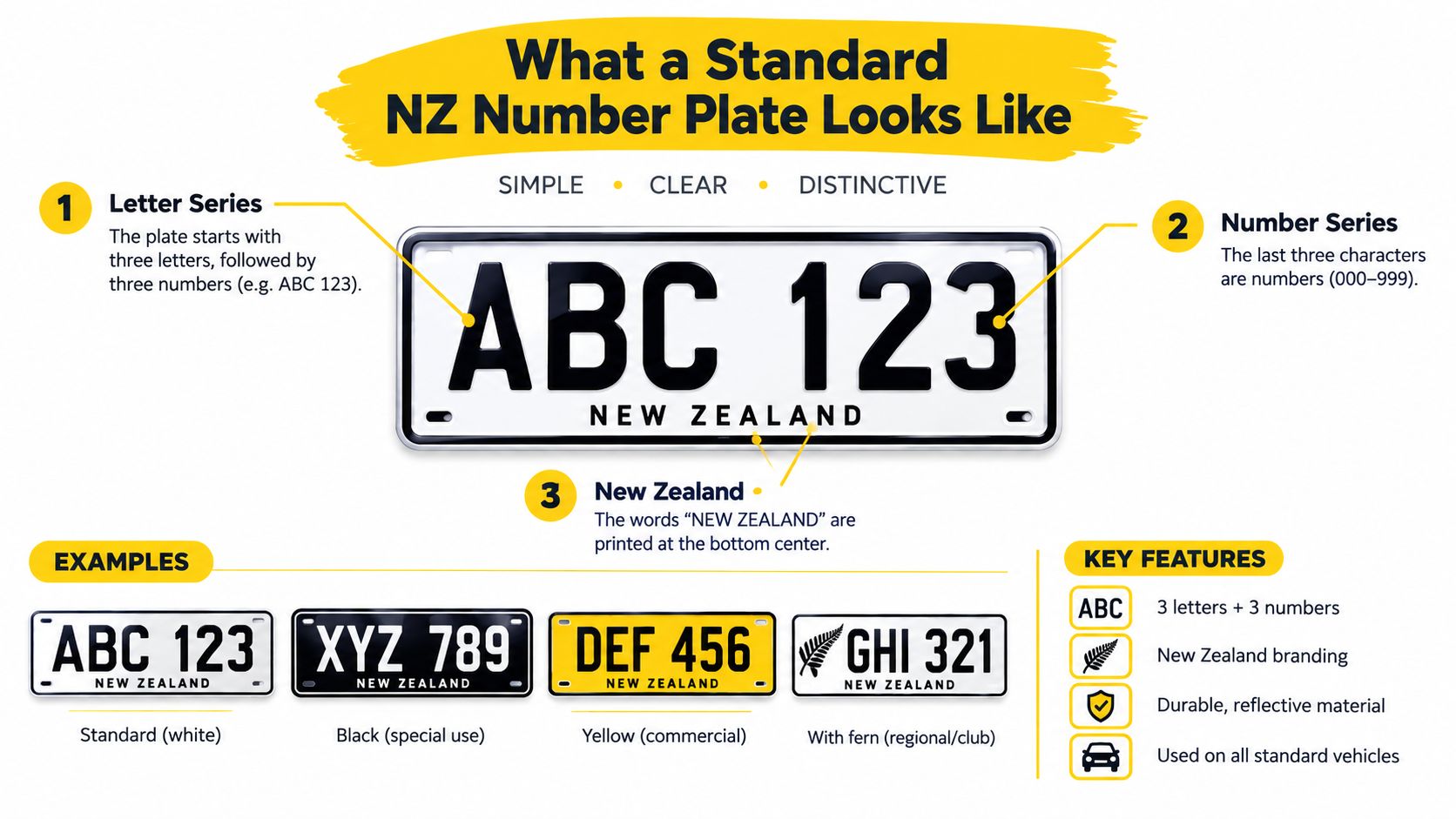
A buyer in Northland may first notice a plate while checking a car outside a dealership, at a private sale, or before arranging removal. A standard New Zealand motor-vehicle plate should have black embossed characters on a white retro-reflective background. It is made from aluminium, with an issued design rather than a panel produced to match the registration record. Ordinary motor-vehicle plates can contain up to six alphanumeric characters, although the permitted format depends on the vehicle category. The NZTA's official plate information explains the approved design and authenticity requirements.
The reflective background helps the plate remain readable as daylight changes. Its security sheeting includes a silver fern feature. Tilt the plate through roughly 15 to 30 degrees, and the feature should become visible. This simple check cannot confirm official status, but it may reveal a plate that looks printed, copied, or otherwise suspicious.
A quick visual inspection
Inspect the plate in good light and check these points:
- Characters: They should be clear, evenly formed, and consistent with an issued plate.
- Surface: The background should reflect light, rather than resemble ordinary painted metal.
- Security feature: The silver fern should appear when the plate is tilted as described above.
- Condition: Bends, cracks, heavy corrosion, or missing sections can make the plate difficult to read and may justify replacement.
A personalised plate is different from a standard plate that someone has altered. It remains official when the combination has been approved and issued through the proper system. A homemade plate, novelty panel, or overseas-style plate is not automatically legal just because its characters match the registration record.
Under the Vehicle Registration and Licensing Notice 1995, a rear plate is required for all vehicles, while a front plate is generally required except for motorcycles, mopeds, tractors, and trailers. That distinction matters when a seller checks a vehicle before handover or a removal operator records what is fitted.
Plate Types for Every Kind of Vehicle
The right plate depends on the vehicle, not on what happens to fit the mounting bracket. A family hatchback, a motorcycle, a trailer and a tractor may all have registration plates, but their permitted formats and display arrangements differ.
NZTA describes ordinary motor-vehicle formats using combinations such as two letters followed by up to four numbers, or three letters followed by up to three numbers. Trailers, motorcycles, mopeds and tractors follow different numbering rules under the vehicle licensing regulations.
NZ Plate Types at a Glance
| Plate Type | Typical Vehicle | Key Features | Notes |
|---|---|---|---|
| Standard light vehicle | Cars, utes, vans and most ordinary passenger vehicles | Aluminium plate with black characters on a white retro-reflective background | Use the issued plate format and keep it clearly visible |
| Personalised plate | A car, ute or other eligible vehicle with an approved character combination | Official plate with an approved personalised combination | Approval and any later transfer must follow the official process |
| Heavy vehicle | Trucks, buses and other heavy vehicles | Vehicle-class rules can differ from light-vehicle arrangements | Check the correct category before ordering or replacing |
| Motorcycle or moped plate | Motorcycles and mopeds | Smaller mounting arrangements and category-specific numbering | The front display exception applies to these classes |
| Trailer plate | Car trailers, boat trailers and other trailers | Trailer-specific numbering and display requirements | The trailer needs its own correctly issued identifier |
| Tractor or agricultural vehicle plate | Tractors and certain specialised vehicles | Rules differ from ordinary motor vehicles | Confirm the category with an NZTA agent if the vehicle is modified |
Trade and dealer plates should also be treated as a separate administrative matter. They aren't a shortcut for a private owner who wants to avoid ordinary registration requirements. If a vehicle is being sold, stored, dismantled or moved, ask the relevant agent which registration and plate arrangement applies to that activity.
The practical mistake is ordering or fitting a plate based only on dimensions. A plate can physically fit a bracket and still be wrong for the vehicle class. Match the vehicle type, registration record and plate format before you buy replacement hardware or arrange a new plate.
How to Order, Replace, or Transfer Plates
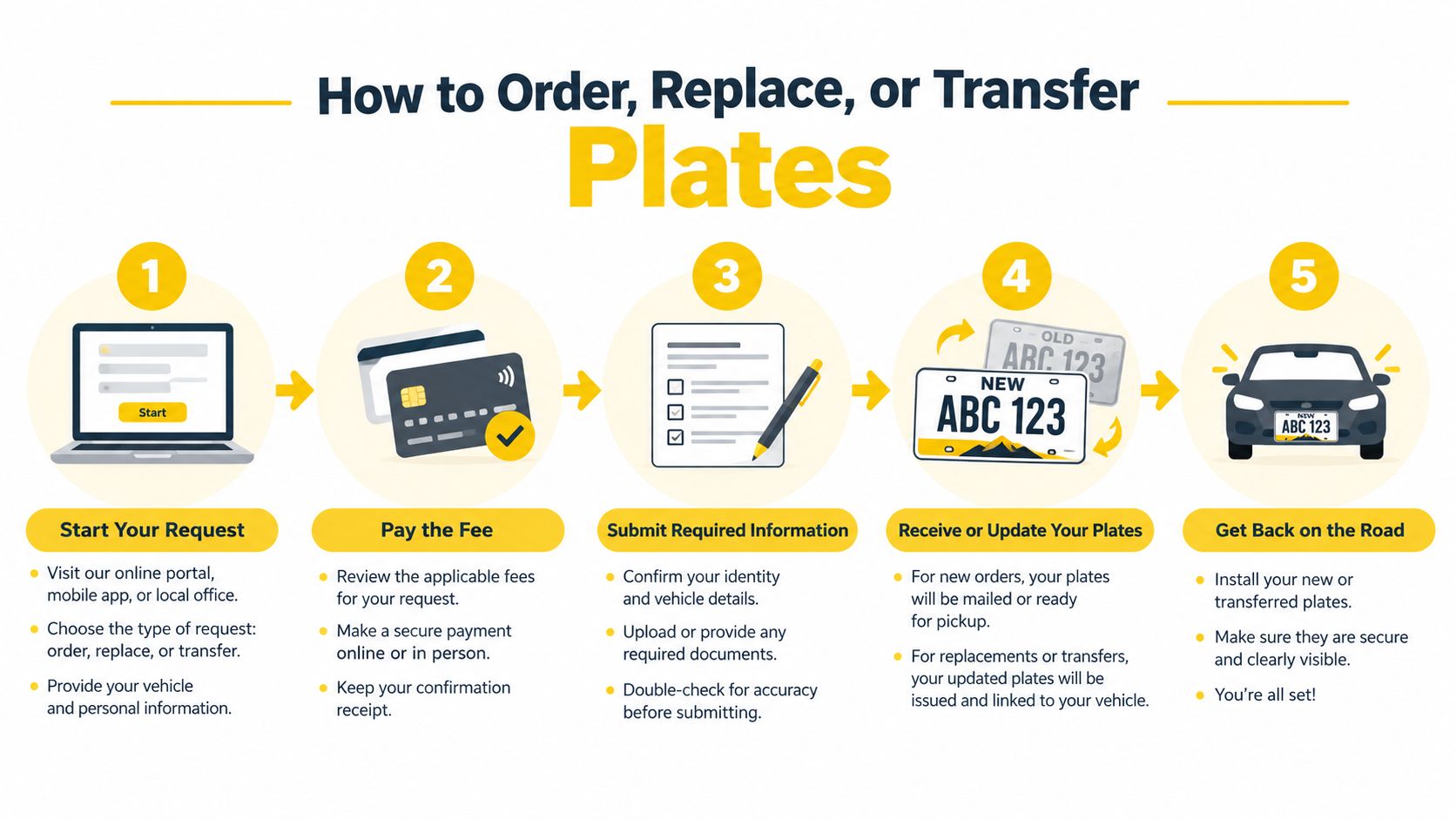
Most plate problems become easier when you separate the process into three situations: first registration, replacement, and a sale or ownership change.
First registration
When a new or first-time imported vehicle is registered, NZTA adds its details to the Motor Vehicle Register and issues number plates. Government guidance says this normally occurs when the vehicle first arrives in New Zealand and is first going to be used on the road. The vehicle registration guidance from the New Zealand Government explains that new or first-time imported vehicles must be registered before use and that NZTA issues the plates.
The registration paperwork and plate supply are connected, but they're not the same physical item. An NZTA agent processes the registration details, and the issued plates then need to be fitted securely to the vehicle. Check the characters before leaving the agent or accepting delivery, because a simple transcription mistake can create trouble later.
Lost or damaged plates
If one plate is lost or damaged, don't make a substitute at home and don't keep driving indefinitely with an incomplete display. Take the vehicle details and the remaining plate, if available, to an NZTA agent and ask which replacement path applies. The agent can confirm whether the existing identifier can be reproduced or whether the plates need to be replaced as a set.
Have identification and registration information ready. If the circumstances involve theft, suspected misuse or a disputed plate, police documentation may also be relevant. The correct supporting documents depend on the situation, so confirm them with the agent before making the trip.
A plate that has been bent during a collision may still show the correct characters but fail the visibility or authenticity check. Replacement is safer than trying to straighten, repaint or cover it.
Selling or removing the vehicle
At sale, the seller and buyer should complete their respective change-of-ownership steps without delay. Keep the plate on the vehicle unless an authorised process tells you otherwise, because the next owner needs the vehicle and registration record to remain matchable during the handover.
If you're retaining an approved personalised plate, arrange the transfer through the proper channel before removing it from the transaction. If a vehicle is going to a dismantler, provide the plate number and ownership details so the removal and NZTA notification can be handled accurately.
For a plain-English explanation of the broader handover process, see this guide to NZTA registration and change of ownership. The key point is simple: the physical plate, the vehicle record and the ownership notice should tell the same story.
Plate Costs and Where the Money Goes
The cost depends on what you're doing. First registration, replacement, and personalised plate orders are separate transactions, so a buyer shouldn't assume that every plate-related charge is included in the same payment.
The first registration includes the one-off fee for adding the vehicle's details to the Motor Vehicle Register, and NZTA issues plates at that point. NZTA's vehicle licensing factsheet explains that registration is generally a one-off process for a vehicle when it first enters the New Zealand road system. The amount payable can depend on the registration transaction and vehicle circumstances, so check the current figure with the agent rather than relying on an old listing or forum comment.
A replacement request is a different expense. If a plate is lost, stolen or damaged, the agent may charge for the replacement service and any new plate production. Personalised plates normally involve their own ordering and approval costs, and a private resale value doesn't remove the need to complete the official transfer.
NZ Plate Costs at a Glance
| Plate Type | Typical Cost (NZD) | When It Applies |
|---|---|---|
| Standard registration plates | Current NZTA or agent fee | When a vehicle is registered and plates are issued |
| Replacement plate | Current replacement fee | When an issued plate is lost, stolen or damaged |
| Personalised plate | Current manufacturer or NZTA price | When an approved personalised combination is ordered |
| Heavy-vehicle plate | Vehicle-class fee confirmed by the agent | When the registered vehicle falls into a heavy category |
| Additional official plate set | Current agent or NZTA fee | When a fitting such as a bike rack or trailer covers the permanent plates |
The table deliberately avoids quoting old prices. Fees can change, and the correct amount depends on the transaction. Ask whether the quoted figure includes agent handling, delivery or any additional plate order before paying.
For Northland owners, the practical budget question is often more immediate than the catalogue price. If a car is already damaged or uneconomic to repair, compare the cost of arranging compliant replacement plates with the vehicle's actual value and disposal options. A current quote from an authorised agent is more useful than a historical price copied from a social media post.
Legal Display Rules You Need to Follow
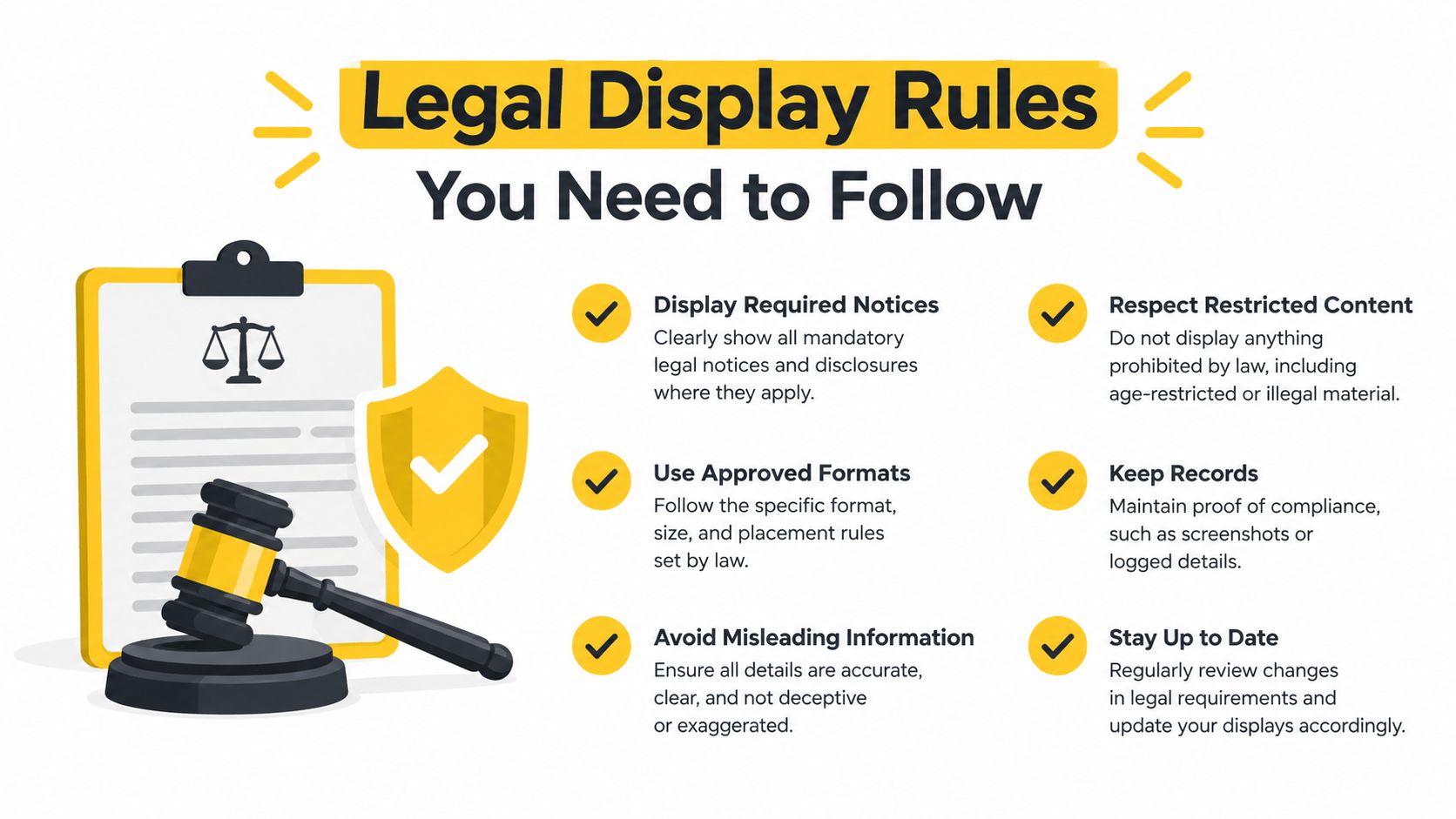
A legal plate must be issued, fitted and visible. Correct characters alone do not make a plate compliant. It must stay readable and sit in the position required for that vehicle class.
For ordinary cars, the rear plate is required, and a front plate is generally required too. Motorcycles, mopeds, tractors and trailers can follow different display rules. The Vehicle Registration and Licensing Notice 1995 also sets requirements for mounting height and orientation. A plate fitted upside down, or hidden behind an accessory, can fail even when its characters are correct.
What inspectors and officers notice
Keep each plate firmly attached, upright and clear of anything that obscures the characters or reflective surface. A tinted sleeve, dirty cover, decorative frame or badly placed bracket can make a genuine plate difficult to identify.
Damage after a crash needs the same attention. A plate hanging from one fastener, bent around a bumper or covered by replacement bodywork should be repaired or replaced before the vehicle returns to normal road use. Cleaning will not fix permanently damaged characters or a reflective surface that has deteriorated.
Visibility comes first: If another road user, an officer or an inspection provider cannot read the plate clearly, the vehicle may need corrective work even when its registration is current.
A failed WoF check or roadside concern usually calls for a practical remedy, such as cleaning, refitting, replacing or relocating the plate under the applicable rule. If a plate is missing or its status is uncertain, speak with an NZTA agent. A copied version can create a paperwork problem for a seller and a compliance problem for a buyer.
The same care applies when removing a damaged or abandoned vehicle from private land. Before collection, have the registration and ownership details ready, especially if the car is deregistered or no longer roadworthy. This guide to junk car removal explains the vehicle information needed for that process.
Common Plate Myths That Catch People Out
Myth one: a personalised plate is automatically legal. It isn't. The combination must be approved and issued through the official process. A novelty plate bought online may resemble a New Zealand registration plate but still have no lawful status on the road.
Myth two: plates can move between vehicles because both vehicles have the same owner. Ownership of the cars doesn't remove the need to follow the transfer process. A plate identifies the vehicle record it has been issued or assigned to, so moving it casually can leave one vehicle with the wrong identifier.
Myth three: the seller keeps the plates after the sale. That assumption can create an immediate mismatch for the buyer. Unless an authorised personalised-plate or replacement arrangement applies, the vehicle should leave with its lawful plates and the ownership change should be recorded accurately.
Why these assumptions cause delays
A Whangārei buyer who fits an unapproved novelty plate may discover the problem during a compliance check rather than at the point of purchase. A seller who removes plates after handover may leave the buyer unable to display the vehicle's correct identifier, while the seller still has an administrative issue to resolve.
Myth four: an overseas-style plate is acceptable if it shows the right characters. NZTA controls which plates are legal for road use. Shape, colour, font and reflectivity can all differ from an official plate, and matching characters alone don't establish authenticity.
The safer approach is to ask an NZTA agent before making a change. If a plate is missing, damaged or disputed, keep photographs and paperwork, avoid guessing, and make the official replacement or transfer the first step.
Your Plate and Ownership Checklist
A smooth transaction starts with matching three things: the physical plate, the vehicle in front of you and the NZTA record. Use this checklist before buying, selling, transferring or removing a vehicle in Northland.
- Read the plate carefully. Record every character and compare it with the registration documents.
- Check the physical condition. Look for cracks, bending, corrosion, obscured characters and signs that the plate has been altered.
- Confirm the vehicle category. A car, motorcycle, trailer, tractor and heavy vehicle may follow different plate rules.
- Ask about missing plates. Don't accept a homemade replacement as a final solution. Get the correct process from an NZTA agent.
- Complete the ownership notice promptly. The buyer and seller should each complete the required change-of-ownership steps rather than leaving the paperwork for later.
- Handle personalised plates separately. If you're keeping an approved personalised plate, arrange its transfer through the official process before removing it from the vehicle.
- Prepare removal details. For a non-running, damaged or deregistered vehicle, have the plate or registration number, ownership information and collection address ready.
- Keep evidence. Save the sale record, photographs, replacement documents and confirmation of the ownership notification.
A number plate isn't decoration. It's a registered identifier attached to a paper trail, and each careful step reduces the chance of a disputed sale, an avoidable compliance issue or confusion about who remains responsible for the vehicle. If you've already handed over a vehicle and need help understanding the next administrative step, use this guide on what to do after selling your car.
Car Removals Whangarei buys cars, vans, 4WDs, trucks and machinery in any condition, and can arrange towing within roughly 100 km of Whangārei. Call with the vehicle's plate number for a firm quote, and visit Car Removals Whangarei to arrange collection and on-site NZTA ownership notification.
- car number plate nz
- nzta plates
- custom plates
- vehicle registration
- plate replacement