· Car Removals Whangarei
Sell My Car NZ 2026: Fast, Fair Options Guide

You're staring at an older sedan on the driveway, the WOF is close to expiring, and the repair list keeps getting longer. Then the messages start arriving: “cash today”, “free pickup”, “best price”. Some sound convenient until you ask what gets deducted at collection, who handles the paperwork, and whether you're still responsible for the car after it leaves.
That's the part many Northland sellers miss. Selling a car isn't only a pricing exercise. It's a decision about condition, time, disposal route, payment, and the moment your legal responsibility ends. The right buyer can make the process simple, but a rushed handover can leave you dealing with tolls, tickets, missing documents, or an offer that changes beside the tow truck.
Table of Contents
- Why Selling a Car in NZ Feels Harder Than It Should
- Four Realistic Ways to Sell My Car NZ
- How to Value Your Vehicle Before You List Or Call Buyers
- Completing The Sale And Protecting Yourself From Post-Sale Liability
- Special Cases Damaged Non-Running Hybrid EV And Rural Pickups
- Avoiding Lowballs Scams And Common Seller Mistakes
- Next Steps To Sell My Car NZ Confidently
Why Selling a Car in NZ Feels Harder Than It Should
A car can leave your driveway and still create work afterward if the ownership change is not recorded properly. Northland sellers are often focused on the offer, towing, or getting space back, yet the real risk is the gap between handing over the keys and completing the NZTA notification. Keep the sale record, payment evidence, and collection details, then confirm the seller's notification has been completed.
New Zealand has a broad market for used, damaged, dismantled, and end-of-life vehicles because private ownership is widespread. The national fleet reached 4.7 million vehicles in 2024, up from 3.2 million in 2005, and light vehicles made up 90.8% of the fleet. The same report records 3.5 million light passenger vehicles and 775,441 light commercial vehicles, categories that supply resale, repair, wrecking, and scrap channels. New Zealand's vehicle fleet data gives a useful frame for a Northland seller deciding which route fits the vehicle.
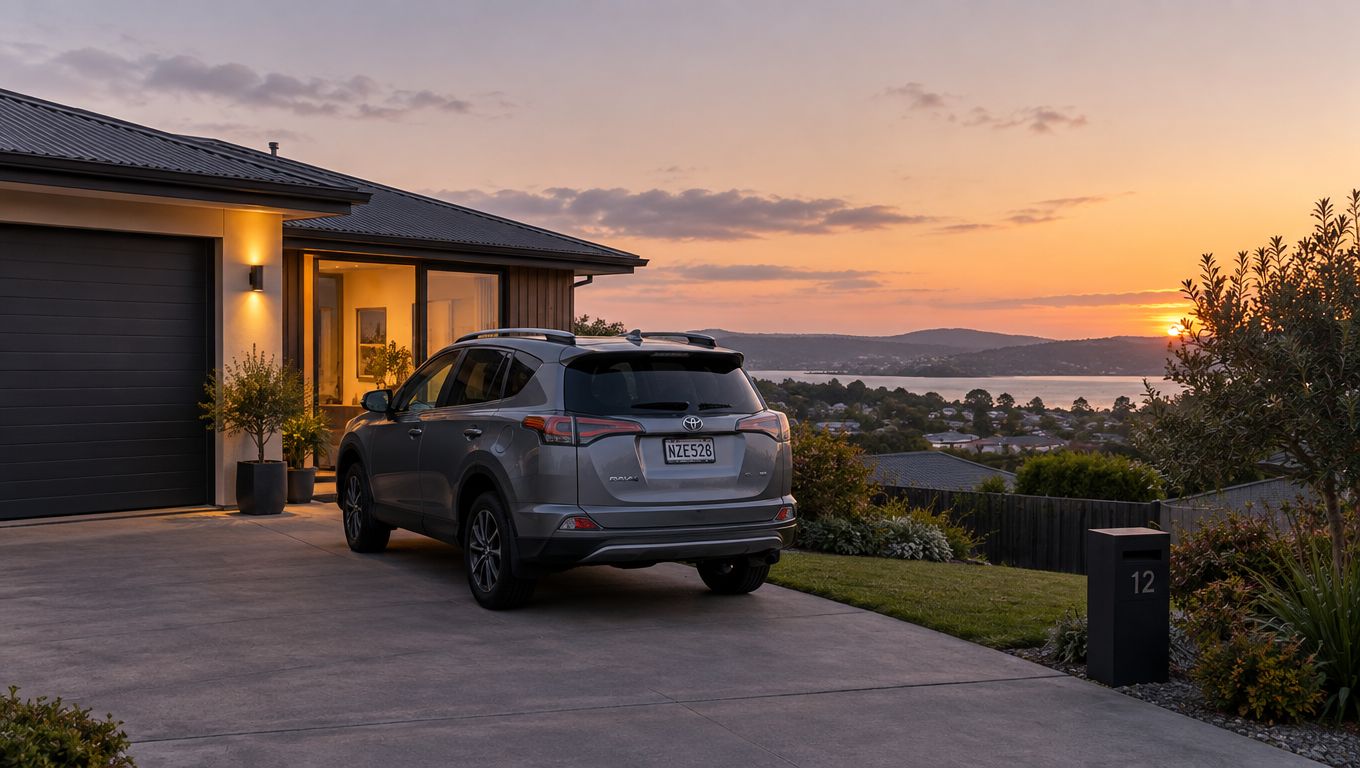
An older car can still have value after a failed WOF, worn suspension, seized engine, rust, or expired registration. Those problems may remove it from the normal retail market, while parts, wheels, panels, metal, and usable components remain saleable. The same official fleet data records 113,715 EVs in 2024, compared with 103,665 in 2023, so removal operators increasingly assess electric vehicles alongside petrol and diesel cars.
Choose the outcome before chasing the price
You have four practical paths:
- Private sale, for a running car in marketable condition.
- Dealer trade-in, when convenience matters during a replacement purchase.
- Cash buyer, when you want a fast valuation and collection.
- Vehicle dismantler or wrecker, when damage, non-running status, deregistration, or parts value changes the calculation.
A private buyer may offer more, but you manage inspections and negotiation. A dismantler may offer less than a retail buyer, while handling towing and disposal. Before agreeing, ask who completes the NZTA ownership notification and what documents you will receive.
Practical rule: Ask, “Who can complete this sale without leaving me with the risk?”
Four Realistic Ways to Sell My Car NZ
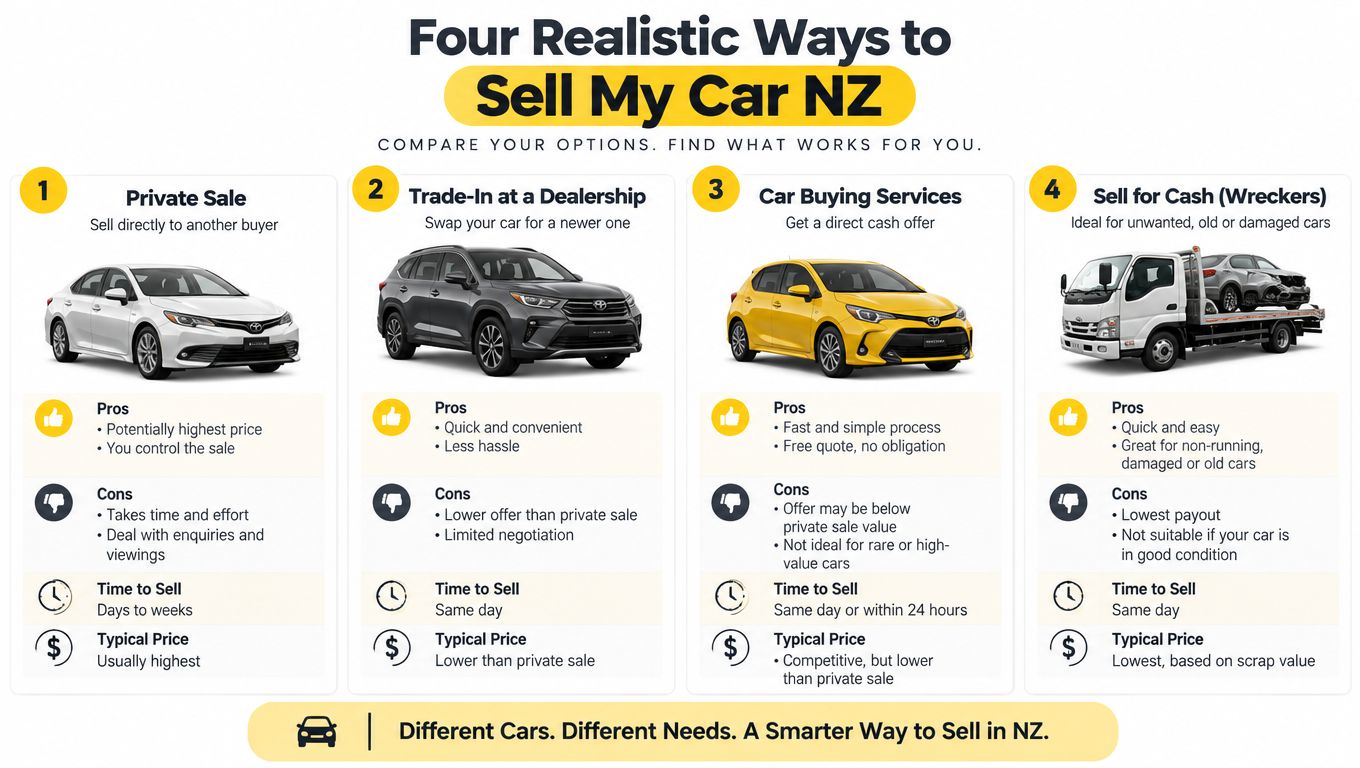
A private sale is usually the strongest option for a clean, running vehicle with current paperwork and visible demand. You'll need to photograph it properly, answer messages, arrange viewings, manage test drives, and negotiate with people who may not be ready to buy. That extra work can produce a better retail return, but only if the car's condition justifies the effort.
A dealer trade-in removes much of that friction. You can handle the vehicle changeover while buying another car, and the dealer manages its own resale process. The trade-off is that a dealer needs room for preparation, warranty exposure, and margin. Older, damaged, modified, or hard-to-sell vehicles often receive a conservative trade-in figure.
Match the route to the vehicle
| Selling route | Speed | Condition accepted | Main trade-off |
|---|---|---|---|
| Private sale | Slower | Best for running, presentable cars | More enquiries, viewings, and buyer management |
| Dealer trade-in | Fast during a replacement purchase | Depends on the dealer | Convenience can reduce the offer |
| Cash buyer | Fast | Often accepts unwanted or non-running vehicles | Quote reflects condition and collection requirements |
| Dismantler or wrecker | Fast for end-of-life vehicles | Damaged, stripped, deregistered, and non-running cars may fit | Value is based on recoverable parts and material, not retail presentation |
A cash-for-cars service suits an owner who wants the driveway cleared without advertising. A dismantler is more appropriate where the vehicle has failed mechanically, cannot be driven legally, or has useful salvage value. Before accepting an offer, compare what is included, including towing, loading, payment timing, and ownership notification. This guide to selling a car for cash is useful when you're weighing speed against private-sale effort.
The paperwork risk is often greatest when a seller focuses only on getting the car loaded. Choose a route that gives you a clear handover record and a definite process for notifying NZTA.
How to Value Your Vehicle Before You List Or Call Buyers
Start with an honest condition assessment, not the price you hope to receive. Record the make, model, year, odometer reading, registration status, WOF position, keys, service history, accident history, warning lights, rust, tyre condition, and whether the vehicle rolls under its own wheels.
Then separate retail value from salvage value. A tidy, running car with a usable WOF can attract an ordinary buyer. A vehicle with a blown motor may still have a sought-after gearbox, panels, wheels, interior, catalytic components, or other parts. A stripped shell may have little resale appeal but can still be assessed for recoverable material.
Condition matters more than a single label
New Zealand doesn't maintain one complete national count of end-of-life vehicles, so sellers often look at expired registrations and deregistrations as practical indicators. Research connected with NZTA recorded about 349 vehicles collected during a three-and-a-half-week Christchurch and Wellington trial, and 122 were still operable or within two months of a WOF expiry. The trial also found that 20% of participants believed their vehicle had no value. The NZTA-linked scrappage report supports a useful lesson: registration status alone doesn't determine whether a vehicle can be converted into parts, metal, or another form of recoverable value.
Get comparable listings, but don't copy the highest asking price and call it your valuation. An asking price isn't proof of a completed sale, and a private listing assumes the car can be viewed, started, driven, and transferred in the usual way. Use a Trade Me car estimate as one reference point, then adjust for defects and the work a buyer must take on.
Before requesting quotes, gather both keys, ownership and service documents, finance information if relevant, and clear photos of every damaged area. State whether the car starts, steers, rolls, and can be loaded. Ask whether the quote is firm, whether towing is included, and whether any deduction can be made at pickup. Buyers who assess dismantling demand and recoverable weight are using a different calculation from a dealer, so two apparently similar offers may reflect different disposal routes.
Completing The Sale And Protecting Yourself From Post-Sale Liability
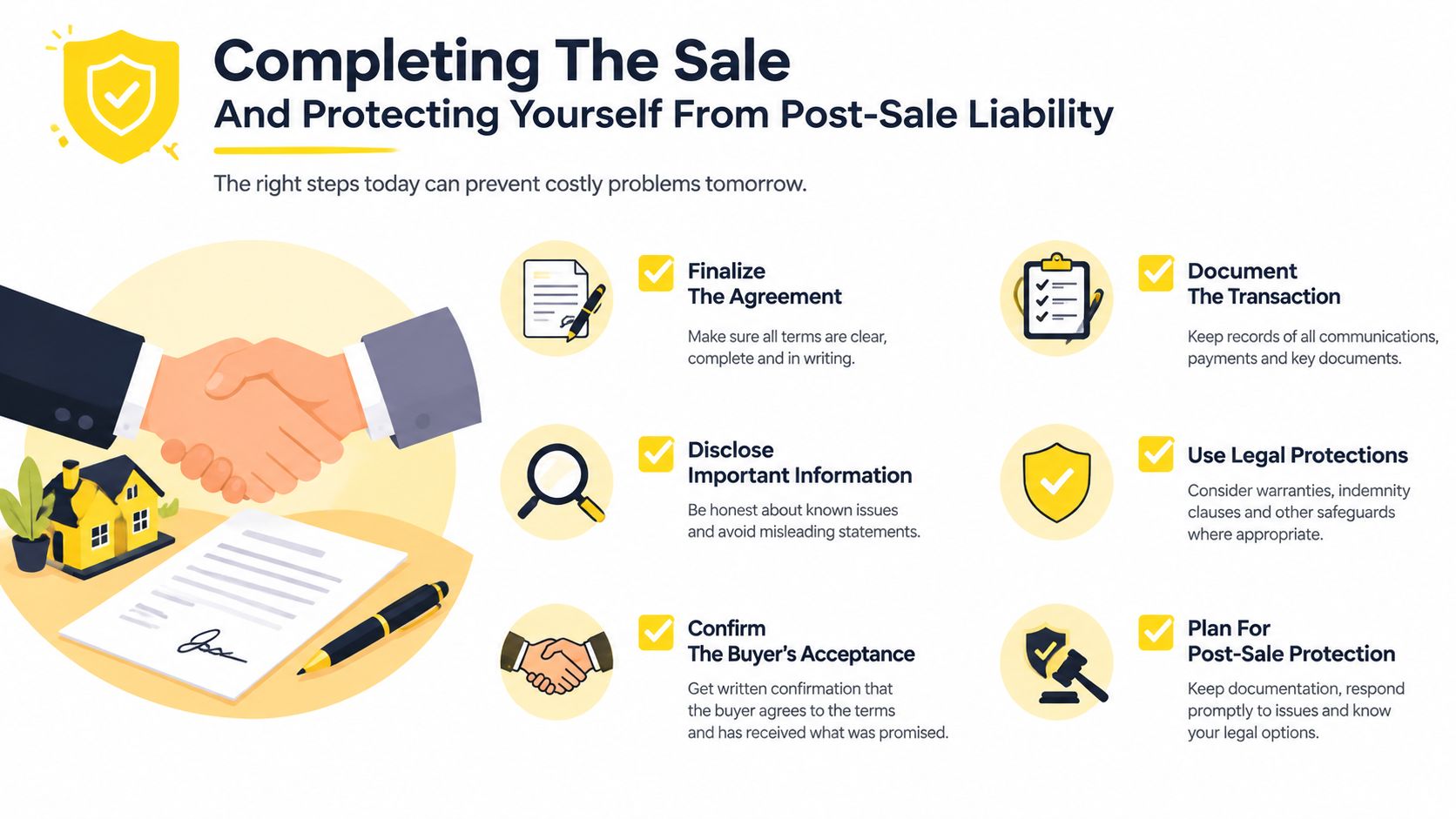
Payment and vehicle collection do not end your responsibility as the registered person. The handover is complete only after the ownership change has been notified and you have kept evidence of the transaction. NZTA says both buyer and seller must notify the change immediately. If you leave your part undone, tolls, speeding tickets, parking issues, or other problems linked to the vehicle may still reach you after it has left your property. Follow NZTA's vehicle-selling guidance during the handover, not later when the buyer is already out of reach.
Use a controlled handover sequence
- Confirm the complete deal first. Record the vehicle details, agreed price, payment method, collection plan, and any parts included in the sale before loading begins.
- Identify the buyer. Keep their full name, address, phone number, registration plate, and the date and time the vehicle changes hands.
- Notify NZTA immediately. Do not depend on a promise that the buyer will handle it later. Ask the buyer to complete their notification before departure, then save your own confirmation or screenshot.
- Create a handover record. A signed receipt should state the vehicle, price, payment received, date, time, and both parties' details. Keep messages and photographs with it.
- Clear the vehicle. Check the glovebox, boot, door pockets, roof racks, toll tags, and personal documents. Remove number plates if the agreed process requires it.
The post-sale liability shift depends on this paper trail. NZTA's wider buying and selling information explains the notification process and why the vehicle's status must be described accurately.
Unregistered and deregistered vehicles require extra care. NZTA distinguishes between an active vehicle, one whose licence has lapsed after renewal was missed, and one manually cancelled after being written off or exported. A vehicle that is not roadworthy must be deregistered. A buyer generally cannot become its registered person until it is registered again, so state that administrative position clearly before accepting payment.
The safe handover is documented, paid, and notified before the vehicle disappears from your driveway.
Special Cases Damaged Non-Running Hybrid EV And Rural Pickups
A car that doesn't start needs a different sale plan from a clean hatchback. Tell the buyer whether the wheels turn, whether the steering works, whether the handbrake releases, and whether the vehicle can be winched. A car that rolls onto a truck is easier to collect than a shell sunk into soft ground, even if both have the same make and model.
Accident write-offs, flood-damaged vehicles, fire damage, and severe rust also need accurate disclosure. Keep insurer or repair documentation where available, and don't describe a flood-exposed vehicle as merely “a bit rough”. The condition affects parts safety, dismantling work, towing method, and the paperwork required.
Battery type changes the removal process
Traditional lead-acid batteries and traction batteries aren't interchangeable from a removal perspective. The AA says conventional lead-acid car batteries can be 99% recycled in New Zealand, while EV and hybrid batteries use different materials and many local specialist facilities aren't ready to process large volumes. The AA's end-of-life EV battery guidance explains why you should identify the battery type before collection.
Environment guidance says transfer stations commonly accept car batteries for recycling, sometimes for a fee, and petrol and diesel battery retailers often take old batteries back. Some vehicle companies also operate recycling schemes for their own hybrid and electric batteries. New Zealand's official recycling guidance is a better starting point than putting an unknown battery in general rubbish.
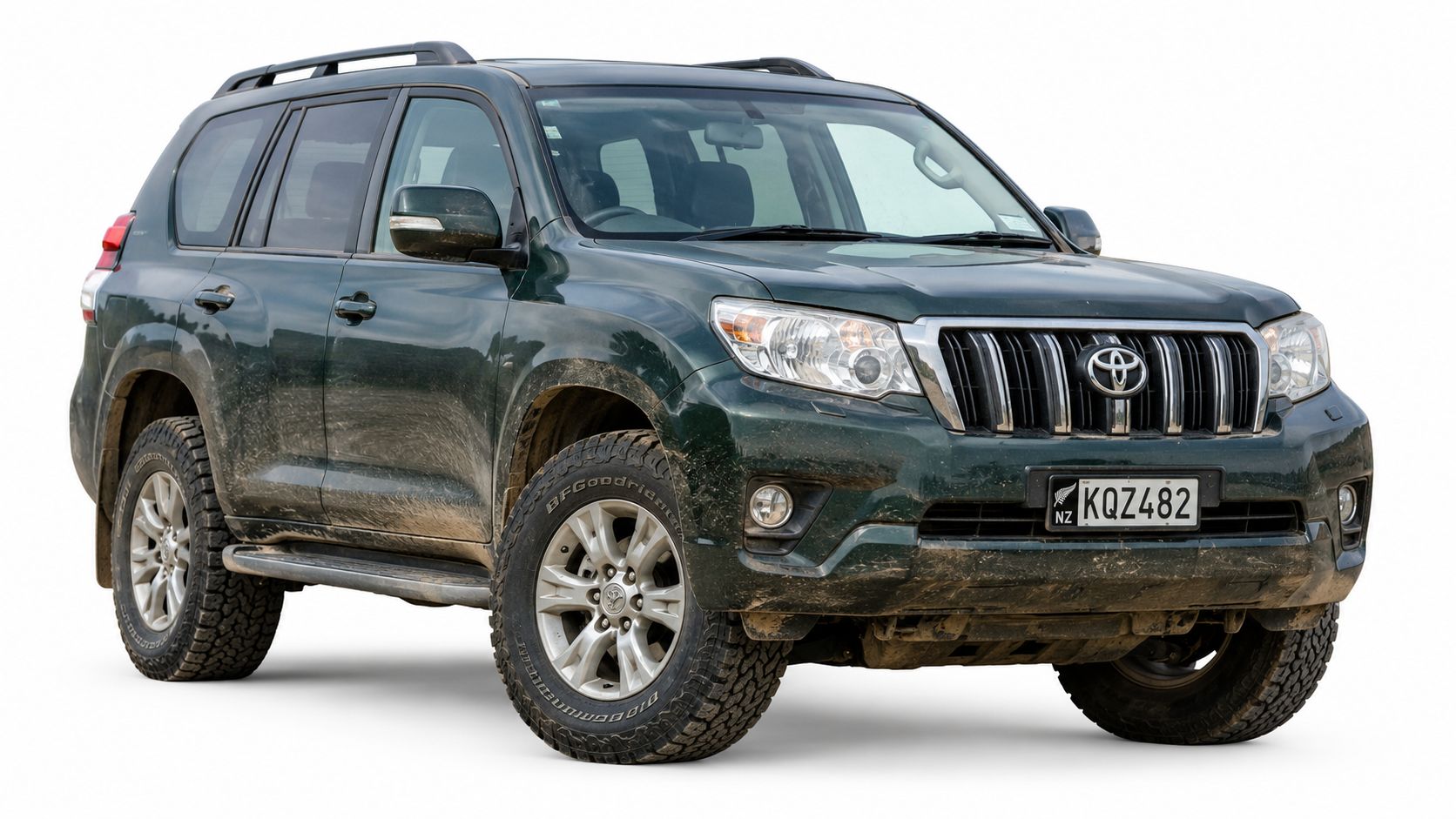
Rural pickups need accurate location details, gate access, surface conditions, and a realistic loading plan. A vehicle beside a sealed road may be straightforward, while one behind a farm shed can need specialist equipment and scheduled routing. Abandoned vehicles on private land also require owner authorisation and clear records before removal. If you're dealing with a damaged vehicle, this cash-for-damaged-cars guide can help you prepare the information a collector needs.
Avoiding Lowballs Scams And Common Seller Mistakes
A low offer isn't always a scam. It may reflect towing difficulty, missing components, weak parts demand, or a vehicle that needs more labour than the seller realises. The problem starts when a buyer gives a vague figure, arrives, and invents deductions after the car is already loaded.
Use a written quote and ask direct questions:
- Confirm the final amount: Ask whether the quoted price is firm at pickup and what exact circumstances could change it.
- Check payment timing: Require cash or an instant bank transfer before loading, not a cheque or an unverified payment screenshot.
- Keep control of the paperwork: Don't agree to skip NZTA notification because someone says they'll “sort it later”.
- Watch for pressure: A buyer who refuses to explain deductions, demands urgent access, or changes the deal beside the truck is giving you useful information.
- Prepare your walk-away point: Know the lowest acceptable amount after considering storage, transport, advertising, and your time.
Don't hand over keys or documents until payment is confirmed. Photograph the vehicle before collection, remove personal information, cancel or update insurance after the handover, and save the buyer's details with your receipt. Those small actions protect you if a dispute develops.
The fastest deal isn't automatically the best deal. A firm quote, transparent inclusions, payment before loading, and on-site ownership notification are stronger signs of a controlled transaction than a dramatic promise of top money.
Next Steps To Sell My Car NZ Confidently
A non-running car taking up space, or a roadworthy vehicle ready for a test drive, needs a different sale plan. Match the vehicle's condition and your time constraints to the right buyer. A private sale may suit a clean, roadworthy car that is easy to demonstrate. A dismantler or cash buyer may make more sense for a damaged, unregistered, non-running vehicle, even if the offer reflects salvage value rather than retail resale.
Record the true condition, gather the keys and documents, photograph defects, and request a firm quote covering towing and payment terms. Disclose a failed WOF, flood history, missing wheel, dead battery, or difficult access. Accurate details help the buyer price the work properly and give you a fair basis for comparing offers.
At pickup, confirm payment before loading and record the handover. Complete the NZTA notification immediately. NZTA guidance states that when a vehicle is sold, given away, or destroyed, the registered person must notify the agency promptly with the plate number and the recipient's full name and address. The official notice-of-disposal information covers disposal as well as ordinary sales.
A controlled sell my car NZ transaction matches the car with a suitable buyer, fixes the amount in advance, and ends your responsibility when the vehicle leaves.
Car Removals Whangarei provides phone quotes, cash or instant bank-transfer payment before loading, and towing within roughly 100 km of Whangarei for cars, vans, 4WDs, machinery, damaged vehicles, hybrids, and EVs. Visit Car Removals Whangarei to request a quote and arrange ownership notification at pickup.
- sell my car nz
- sell car nz
- cash for cars nz
- nz car removal
- sell damaged car nz