· Car Removals Whangarei
Sell Damaged Car for Cash in Northland the Smart Way
A hail-damaged hatchback can sit in a Whangārei driveway for weeks, taking up space while its registration, insurance and repair decisions remain unresolved. A flood-soaked ute can look like nothing more than a costly problem, especially once the engine won't start and the interior smells of contaminated water. If you're ready to sell a damaged car for cash, don't let appearance decide the price before the vehicle has been assessed properly.
The offer usually comes from two value streams, recoverable parts and steel weight. A complete vehicle with sought-after doors, lights, wheels, engine components or driveline parts may be worth considerably more than a stripped shell, while the kerb weight provides a recovery value underneath it all. The practical pricing logic is explained further in this guide to what a scrap car is worth, but the key point is simple: serious damage doesn't automatically make a car worthless.
Table of Contents
- Why Your Damaged Car Is Still Worth Real Money
- Preparing Your Vehicle and Gathering the Right Details
- How a Firm Cash Quote Is Actually Calculated
- Flood and Accident Damage in Northland
- Ownership Transfer and Deregistration Made Simple
- Pickup, Payment and Final Checks
- Turning Your Damaged Car Into Cash Without Regrets
Why Your Damaged Car Is Still Worth Real Money
A deregistered car blocking a Northland driveway can look like a total loss. It may not be roadworthy, the insurer may still be deciding what happens next, and storage becomes your problem. Price it as a dismantler would, though, and the vehicle has several possible value sources: parts recovery, dismantling and metal recycling.
Parts demand is usually the first question. A ute with a crushed front end may still carry valuable rear doors, a tray, differential, wheels, seats, glass and electronic modules. A complete vehicle gives a dismantler more choices because components can be removed, checked and sold. A car already stripped in the driveway loses those options, and the quote usually falls with them.
Flood damage needs a sharper assessment. Contaminated wiring, carpets and interior trim may be unusable, while selected mechanical or body components might still be recoverable. Do not assume a flood-damaged vehicle is worthless, but disclose the water exposure clearly. Hidden contamination changes testing, handling and resale decisions.
The second value stream is kerb weight and other recoverable material. Estimates vary. One report places end-of-life vehicles at more than 100,000 cars each year, while another counts about 150,000 cars scrapped annually, with the average scrapped car aged 20 years. Treat those figures as a range, not one precise national count. They still show that vehicle disposal supports a regular dismantling and recycling market. (Newsroom's report on vehicle waste and the circular economy)
Parts first, metal second
A North Island shredding facility produces approximately 20,000 tonnes of shredded metal per year, while another Auckland facility produces approximately 40,000 tonnes per year, based on Stats NZ material cited in the report. Those volumes explain why a badly damaged car can retain a cash value after repair or resale no longer makes sense.
Recyclers assess what they can remove, test, sell or process. A complete Hilux, Ranger, Hiace, van or 4WD may attract stronger interest because its parts can support another vehicle. A bare, non-rolling shell is different. Once useful components are gone, the quote moves closer to weight-based recovery.
Practical rule: Ask for a quote that covers both parts and scrap value before paying anyone to remove the vehicle.
Rural Northland adds a towing issue. A car down a farm track, behind a locked gate or off soft ground may require different loading equipment and more recovery time. Tell the buyer where it sits and whether it rolls, steers and has accessible wheels. That detail protects the quote and prevents trouble at pickup.
Use the guide to what a scrap car is worth to compare the main valuation factors. Repairing every damaged car is the wrong objective. Establish its remaining value, choose the right sale route and remove it before storage, safety or ownership problems grow.
Preparing Your Vehicle and Gathering the Right Details
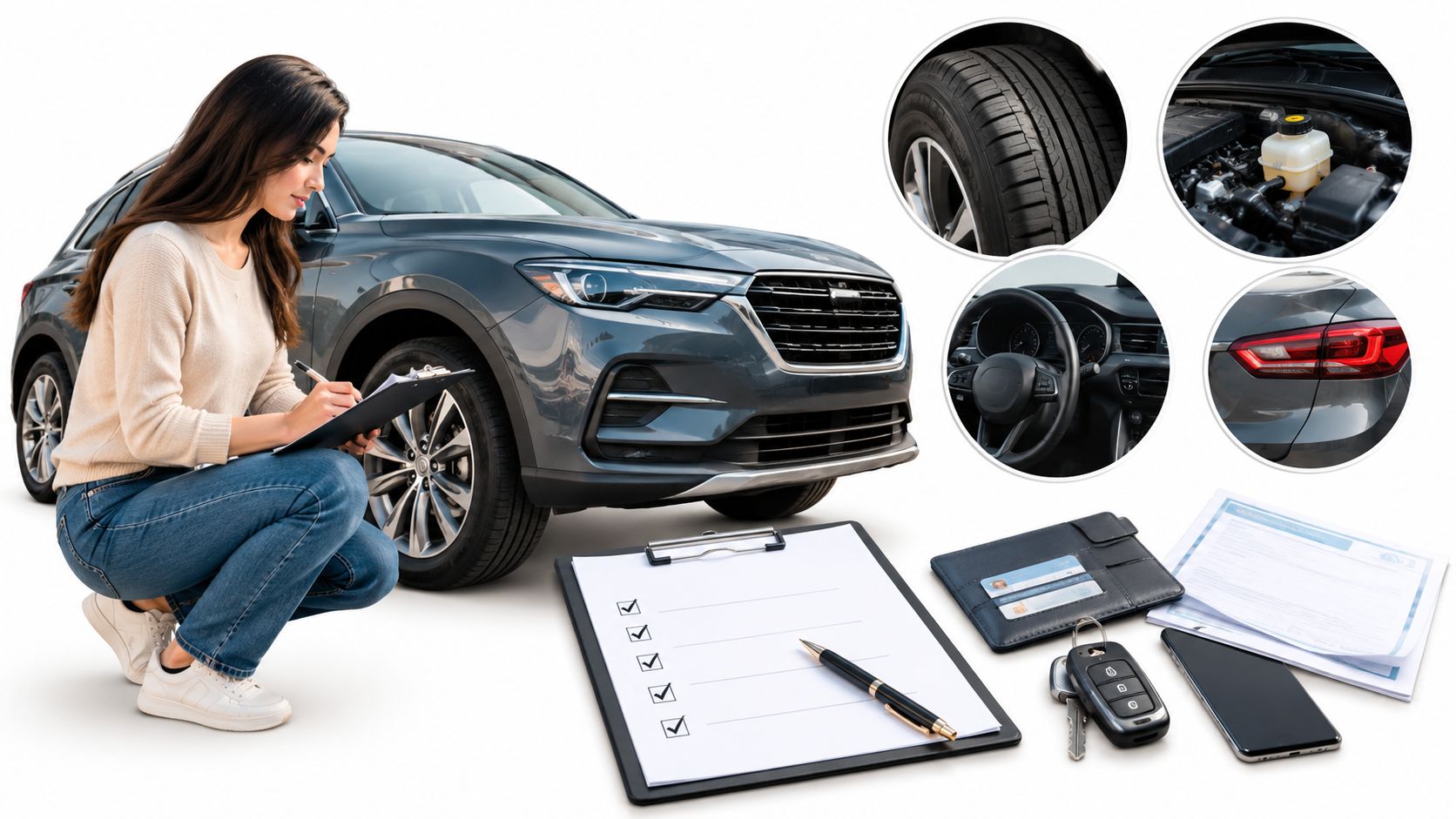
A firm quote starts with accurate information. Before you call, collect the vehicle's VIN, make, model, odometer reading, damage description and missing-part status. The buyer needs those details to judge parts demand, completeness, likely loading requirements and whether the car belongs in a dismantling stream or a mainly scrap-metal stream.
Take clear photographs in daylight. Include the front, rear, both sides, roof, cabin, engine bay, wheels and any obvious impact or water line. Photograph missing panels, broken glass, removed seats, stripped wiring and flat or damaged tyres. Honest photographs protect you as well as the buyer because they reduce the chance of confusion when the tow operator arrives.
The details that change the quote
- VIN and model information: The VIN helps identify the exact vehicle and factory specification. A common model may still have valuable components, but a rare trim or high-demand work vehicle can attract different interest.
- Odometer reading: Mileage doesn't decide the quote by itself, but it helps establish the vehicle's history and the likely condition of reusable components.
- Damage description: Say whether the damage comes from hail, flood, collision, fire, mechanical failure or long-term rust. Structural damage and water intrusion need to be disclosed clearly.
- Missing parts: List removed doors, wheels, lights, catalytic components, engine parts, batteries, interior pieces and panels. Incomplete vehicles are harder to value as parts cars.
- Access and condition: Explain whether the car rolls, steers, has working wheels, or needs special loading. A non-rolling shell needs different equipment from a vehicle that can be winched normally.
Completeness beats appearance
Consider two Ford Rangers with the same broad model description. The first has a blown motor but still has its doors, tray, seats, lights, wheels, glass and drivetrain components. The second has been stripped of its doors and panels, with wiring and interior parts removed. The first may still be a valuable parts vehicle. The second may be priced much closer to its steel and recoverable-weight value.
That distinction is reflected in New Zealand wrecking guidance, where quotes are built from parts value, scrap value, condition and pickup location. Make, model, age, mileage, completeness and usable components all influence the result. The New Zealand vehicle dismantling and recycling guide explains why a complete vehicle with demand for its parts can outperform a bare shell.
Don't clean, repair or dismantle the car before getting advice. A wash won't fix structural damage, and removing parts can reduce the quote. Give the dismantler the full picture first, then decide whether any preparation is worthwhile.
How a Firm Cash Quote Is Actually Calculated
A serious quote isn't pulled from a generic scrap table. It starts with the vehicle's likely parts demand, then accounts for completeness, condition, collection difficulty and the recovery value of the remaining metal. Kerb weight and steel value provide the floor, while reusable components create the upside.
A Hilux, Ranger or Hiace with usable doors, engines, transmissions, trays, diffs, wheels or interior parts can sit well above a simple shell because another vehicle may need those components. The exact model, age, mileage and condition still matter. A complete vehicle with a failed motor can be more useful to a dismantler than a running vehicle that has already been stripped.
Current New Zealand price guidance gives sellers a useful reference point without pretending every vehicle has the same value. One Northland guide reports a recent average scrap-car value of NZ$834, with a 12-month range of NZ$769 to NZ$957, while broader guides place many vehicles from a few hundred dollars to well into the thousands depending on parts demand. See the Northland cash-for-cars pricing guide for that local context. Those figures are reference points, not automatic offers. A complete late-model ute and a stripped rusted shell shouldn't be priced alike.
What lifts the figure and what pulls it down
| Damaged Vehicle Value Drivers | Raises Your Quote | Lowers Your Quote |
|---|---|---|
| Parts demand | Popular utes, vans, 4WDs and models with sought-after components | Low-demand models or heavily contaminated parts |
| Completeness | Doors, panels, wheels, glass, seats, drivetrain and electronics remain | Stripped interior, missing panels, removed wheels or missing assemblies |
| Condition | Repairable components, clean body sections and usable mechanical parts | Fire, severe flood contamination, structural crushing or extensive rust |
| Recovery value | Higher kerb weight and recoverable steel | Bare shell, missing metal or difficult handling |
| Collection | Clear access and a vehicle that can be winched or loaded | Non-rolling vehicle, tight access or specialist loading requirements |
A firm phone quote is different from a soft estimate. The buyer should confirm the vehicle details, state the agreed figure and honour that amount at pickup, with no towing fee, loading deduction or surprise adjustment. If the tow truck arrives and the offer suddenly changes without a material difference from what you disclosed, the original quote wasn't firm.
The test is simple: ask whether the quoted amount is the amount you'll receive before loading, and ask what specific information would change it.
Don't be distracted by an unusually high number given over the phone. Some sellers accept a tempting estimate, wait for the truck, then hear that the damage is worse, the vehicle is incomplete or towing costs must be deducted. Get the quote in writing where possible, repeat the vehicle details back to the buyer and make payment terms clear before collection. You can also review the local cash-for-cars removal service to understand what information a Northland buyer needs before committing.
Flood and Accident Damage in Northland
Flood damage needs a different decision process from a dented guard or hail-marked bonnet. Water can reach wiring looms, control modules, seat systems, sensors and safety equipment without leaving obvious damage on the outside. Salt, silt and contaminated water can create faults later, so a flood vehicle shouldn't be treated as an ordinary used-car sale.
Northland's roads and rural properties face serious flood exposure. An agency warning reported that 30 cm of floodwater can be enough to sweep away vehicles, as covered in this Northland flooding report. If a vehicle has entered moving floodwater, don't restart it to test the engine. Photograph the water line, cabin, engine bay, underbody and any contamination, then contact the insurer or a qualified dismantler.
Three paths for a flood-damaged vehicle
Sell for parts immediately when the insurer has confirmed it doesn't need an assessment, the damage is clearly beyond economical repair and you need the vehicle removed quickly. This can make sense for an older ute or car with obvious water intrusion, no realistic repair plan and a buyer ready to document the condition.
Wait for the insurer's review when the policy may cover flood damage, the vehicle is financed, or the insurer hasn't decided whether it will be repaired or written off. Selling before the assessment can complicate a claim because the insurer may need access, photographs, keys, registration details and evidence of the loss.
Declare and clear a write-off when the insurer has classified the vehicle as a total loss or statutory loss. Keep the insurer's written decision, claim reference, VIN, photos and any salvage or deregistration documents. Dismantlers also need to know whether the car has hail, flood, fire, structural or other statutory damage.
For accident vehicles, provide the same level of detail. State whether airbags deployed, whether the chassis or suspension was hit, and whether parts have already been removed. Fire-damaged cars require particular care around batteries, fuel systems and wiring. Hybrid and EV vehicles need high-voltage isolation before loading or dismantling.
The direct recommendation is to wait for insurer review when cover or ownership is unresolved. Sell promptly for parts when the claim position is settled and the vehicle is clearly beyond sensible repair. Don't gamble with a quick sale just to clear the driveway if doing so could weaken a valid insurance claim.
Ownership Transfer and Deregistration Made Simple
A damaged-car sale is complete only when the paperwork matches the handover. This matters most for a deregistered, written-off or unroadworthy vehicle. If the registered-person record stays in your name, you can remain exposed to tickets and other liabilities after the car leaves your property.
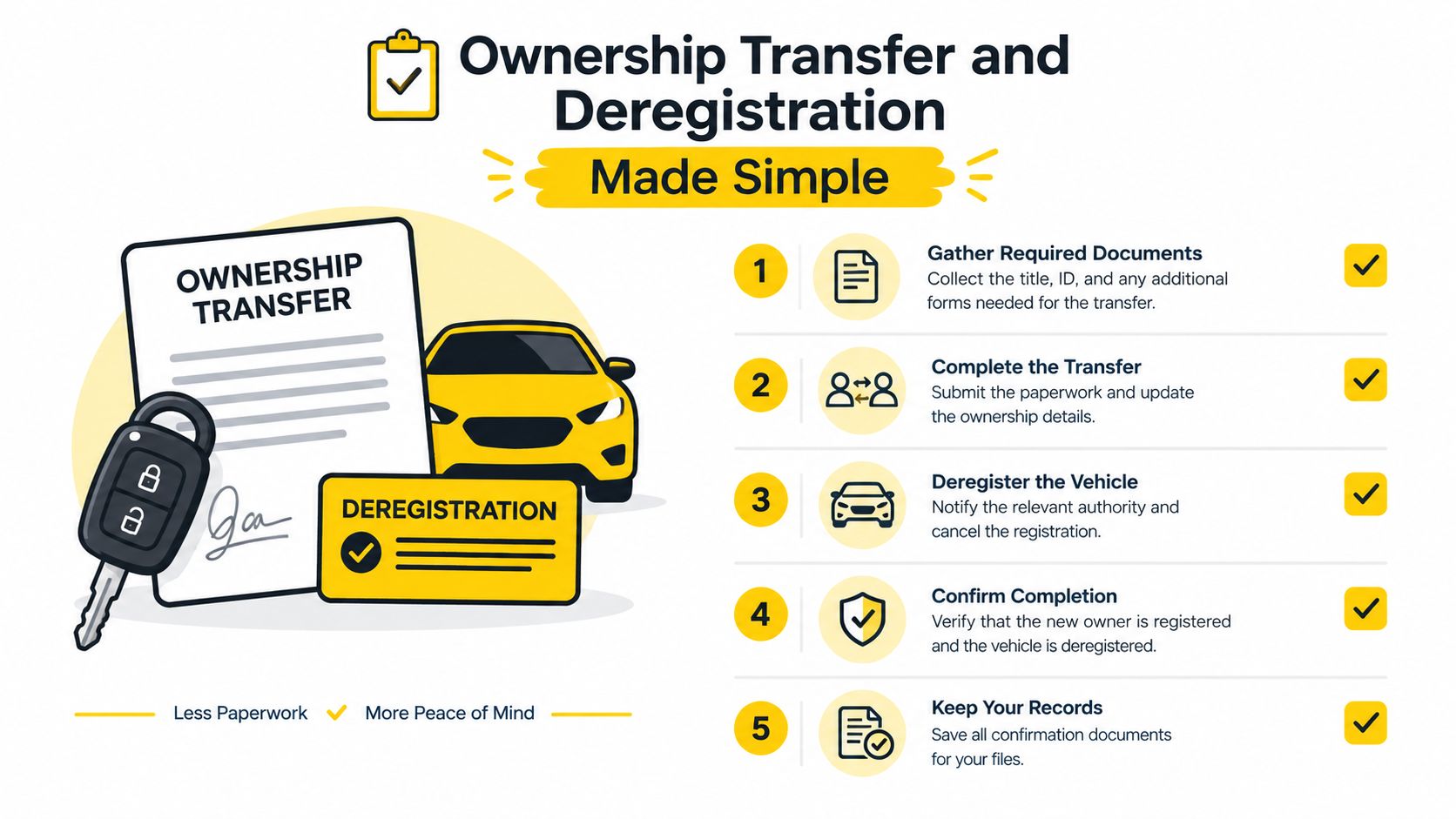
NZTA requires the seller to notify it at the time of sale, while the buyer and seller complete the change of registered person. Follow the NZTA guidance for selling a vehicle, and use our NZTA registration change of ownership guide for the full step-by-step process.
Complete the disposal while everyone is present
- Confirm the buyer's identity and address. Record the buyer's full name and address, and keep your own identification available. Do not release a valuable damaged vehicle to an unidentified collector.
- Complete the registered-person change immediately. NZTA provides online and agent-based options using the appropriate form. Complete it while the buyer is present, before the truck leaves.
- Submit the seller's disposal notice. This confirms that possession has ended. Keep proof that the notification was completed.
- Record the transaction. Note the date, sale price, vehicle description, VIN, buyer details and agreed condition. Retain the quote, messages, photographs and payment confirmation.
- Handle registration status correctly. If the car is destroyed, permanently useless, written off by an insurer or permanently removed from New Zealand, registration must be cancelled through NZTA. The official MR15 process requires the owner to remove and return the plates when cancellation is lodged at an authorised agent.
Written-off and damaged vehicles need extra care
NZTA states that a vehicle damaged in New Zealand should have its registration cancelled. When an insurer cancels a vehicle because of fire, structural or water damage, a safety flag is added to the Motor Vehicle Register. If the vehicle later returns to the road, it must be re-registered with new plates. The NZTA guidance on written-off and damaged vehicles explains why that record remains relevant after repairs.
Treat a written-off vehicle as a regulated end-of-life record, not an ordinary private sale. Complete the registered-person change and any required deregistration before collection, then keep every document with the sale file.
The cleanest arrangement is for the buyer to complete the ownership notification on site. NZTA advises sellers to wait for proof that the buyer has notified it before handing over the vehicle, as stated in the New Zealand Government vehicle-selling factsheet. That gives both parties a dated handover record and closes the disposal properly.
Pickup, Payment and Final Checks
Collection day should be straightforward if the quote and vehicle details are already settled. In Whangārei, city pickups can often be arranged the same day, while rural Northland collections are scheduled around regular routes and may take place the next day. Free towing is available within roughly 100 km of Whangārei, with a 7am to 7pm collection window for urgent disposals.
Payment timing matters more than a friendly promise. Require the agreed money before loading, by cash or instant bank transfer. Don't accept a cheque, a delayed payment arrangement or a claim that the transfer will be made once the vehicle reaches the yard.
Use this pre-pickup checklist
- Keys: Put all keys, remotes and wheel-lock keys together.
- Plates and paperwork: Have registration plates, insurer documents, ownership records and the agreed sale details ready.
- Personal property: Empty the glovebox, boot, cabin, toolboxes and under-seat storage.
- Access: Move trailers, farm equipment, gates and other obstructions before the truck arrives.
- Vehicle condition: Tell the operator if it doesn't roll, steer, brake or winch normally.
- Payment: Confirm whether the transfer has cleared before the vehicle is loaded.
A non-rolling shell may need skates, a winch or different loading equipment. Tell the buyer in advance rather than allowing the operator to discover the problem at the gate. Hybrids and EVs also require high-voltage isolation, and the traction battery may affect the payout. Never attempt to dismantle a high-voltage system yourself.
Abandoned vehicles on rental properties, farms or shared land require authority from the owner or lawful manager. A vehicle left on private property isn't automatically legally abandoned. New Zealand council guidance distinguishes vehicles left on private land from those that meet local abandoned-vehicle criteria, while another official enforcement code advises contacting local police where abandoned-vehicle matters fall outside its remit. Check the Palmerston North Council environmental regulations and obtain written owner authorisation before arranging removal.
Turning Your Damaged Car Into Cash Without Regrets
The outcome comes down to three decisions. Give the buyer honest details, insist on a firm quote honoured at pickup, and complete the NZTA paperwork while the vehicle is collected. Those steps prevent most disputes and stop a damaged car from remaining tied to you after it leaves.
For a Whangārei or Northland owner, selling now is usually the sensible choice when the vehicle is beyond economical repair, the insurer has finished its assessment and the car is taking up useful space. A licensed local dismantler that pays before loading and includes towing can be more practical than letting the vehicle rust, accepting a soft estimate or paying to move it twice.
Get the VIN, photographs and damage details together, ask for the parts value and steel value to be considered, and don't hand over the car until the payment and ownership process are clear.
Car Removals Whangarei buys damaged cars, utes, vans, 4WDs, trucks and machinery in any condition, with firm phone quotes, free towing within roughly 100 km and payment before loading. Visit Car Removals Whangarei with your vehicle details and arrange a quote that reflects its recoverable parts, completeness and scrap value.
- sell damaged car for cash
- cash for cars Whangarei
- damaged car removal
- scrap car value NZ
- Northland car disposal